HWANGE – Zimbabwean lawmakers have stepped up an investigation into pollution of the Deka River after members of Parliament visited mining areas in Hwange and examined sites affected by acid mine drainage.
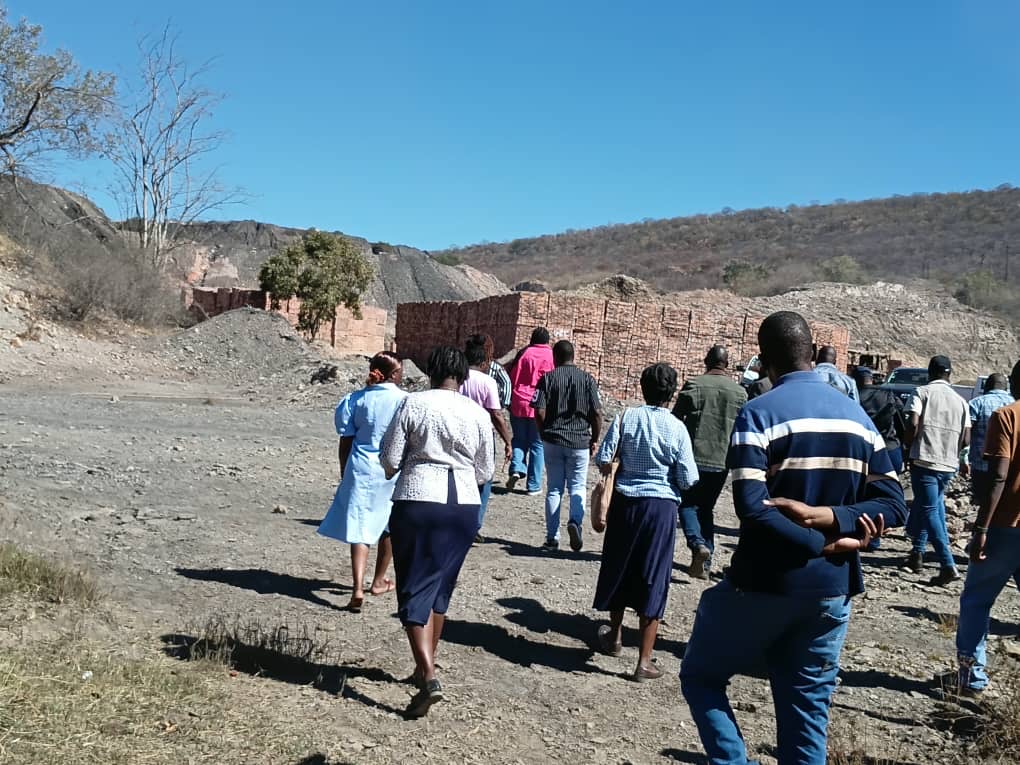
The Parliamentary Portfolio Committee on Environment, Climate and Wildlife conducted an on-site verification visit to pollution hotspots along the river, meeting mining company representatives and communities affected by mining activities.
The visit forms part of Parliament’s investigation into a petition concerning pollution of the Deka River, a major waterway in Hwange district and part of the wider Zambezi basin.
Fidelis Chima, coordinator of the Greater Hwange Residents Trust, welcomed the parliamentary intervention, saying residents had repeatedly called for an investigation into the pollution and action against companies responsible for environmental damage.
“We are extremely happy that the Portfolio Committee on Environment managed to do a tour at the Deka River and met coal mining companies’ managers and affected communities,” Chima said.
“This shows serious levels of commitment by Parliament to address the Deka pollution crisis.”
Chima said the residents’ organisation had asked Parliament to investigate the sources of pollution and recommend measures that mining companies should implement to reduce contamination.
“Our prayer to Parliament was for it to do an investigation of the Deka River pollution and come up with recommendations that coal companies should implement to mitigate Deka River pollution,” he said.
The Greater Hwange Residents Trust has for years raised concerns about pollution in the Deka catchment and its impact on communities living around Hwange.
The parliamentary visit brought renewed attention to the condition of the river, with lawmakers examining areas identified as pollution hotspots.
Parliament said the committee was taken to sites where acid mine drainage was entering the environment. Environmental Management Agency officials briefed lawmakers on identified pollution sources and the extent of contamination, while the committee also examined measures being taken by mining operators to contain the problem.
The Deka River runs through Hwange, one of Zimbabwe’s major coal-producing areas, before flowing into the wider Zambezi river system.
Communities in the area depend on water resources in the catchment for household activities and livelihoods, including livestock production and fishing.
Scientific research has also documented concerns about the river’s water quality.
A study examining the Deka River between 2019 and 2021 found evidence of acid mine drainage and heavy-metal contamination. Researchers also recorded concerns from communities about the effects of pollution on health and livelihoods.
The findings add to a body of research examining the environmental impact of coal mining and related industrial activity in the Hwange area. Residents and environmental groups have raised concerns over the river for several years, calling on regulators and mining companies to address pollution.
In previous comments to local media, Chima described the Deka as heavily polluted and called for government intervention to prevent further contamination.
The investigation is complicated by the presence of several mining and industrial operations within the Deka catchment. Determining the source of individual pollutants and establishing responsibility will therefore require evidence from mining companies, regulators, affected communities and independent scientific assessments.
The parliamentary committee’s engagement with different stakeholders is intended to establish the scale of the problem and assess whether existing environmental safeguards are being effectively enforced.
The investigation also comes as Zimbabwe faces growing pressure to strengthen environmental oversight of its mining sector. Mining is a major contributor to Zimbabwe’s economy, while Hwange remains an important centre for coal production and electricity generation.
The expansion of mining has brought investment and employment to the district but has also intensified concerns about its environmental footprint, particularly in areas where industrial operations are located close to communities and water systems.
For residents living along the Deka, the issue is not limited to environmental regulation.
The river has historically supported fishing, livestock and other household activities, making its condition directly relevant to local livelihoods.
“This has been our lifeline for years. But, since the expansion of mining operations in the area, our source of livelihood is heavily polluted. Fish dies and we have lost some domestic animals due to water borne related diseases,” said one Philani Nyoni, a local villager.
Locals say, the parliamentary inquiry could therefore have implications beyond the companies operating along the river. Its findings may determine whether existing environmental regulations are sufficient, whether enforcement agencies have acted effectively and what measures should be required to prevent further pollution.
Chima said residents were looking to Parliament to move beyond documenting the problem and recommend practical measures that mining companies would be required to implement.
The committee has yet to announce its final recommendations.