Credit: Afrocan Climate Wire
With all stakeholders concerned of the planet’s future, a reality checks on the nexus of climate change, children and their health does not safeguard the ‘very’ future.
Hwange – Zimbabwe: Jessie Ngwenya, a resident of Hwange, has been a village health worker for the past two decades, but something has drastically changed. In the past few years she has observed high temperatures causing various ailments in children. Equally affected as village health workers, they face challenges educating people during heat waves due to physical exhaustion.
“We advise people to drink plenty of water and fluids, and limit unnecessary movements. We also encourage them to visit healthcare facilities if they feel unwell, But, for children it’s a different story as they must go to school and also needs recreation as part of their growth,” said Ngwenya.
During the United Nations Climate Change Conference (COP29) which run from 11-22 November 2024, leaders, activists and other stakeholders from around the world gathered in Baku, Azerbaijan. World Health Organisation (WHO) said the conference marked a significant milestone in the global effort to integrate health and climate action. At the heart of this progress was a high-level event, COP Presidencies bringing Health at the Centre of Climate Agenda, hosted by the WHO, Spain, Azerbaijan and the COP29 Presidency.
Various reports have identified a number of illnesses related to climate change, from mental health issues to water-borne diseases. Within the last decade, Zimbabwe’s children have been disproportionately exposed to the climate crisis.
Extreme weather events witnessed in the past months across the country are taking a toll on children, according to UNICEF. WHO has found links between climate change, environment and health issues affecting children. According to the international health organisation, children are vulnerable to certain environmental risks, including; inadequate water, sanitation, hygiene and climate change
Climate change effects among children have been on the rise in the rural areas. Experts point that the magnitude of the crisis is a direct result of lack of the supporting infrastructure, and limited healthcare access.
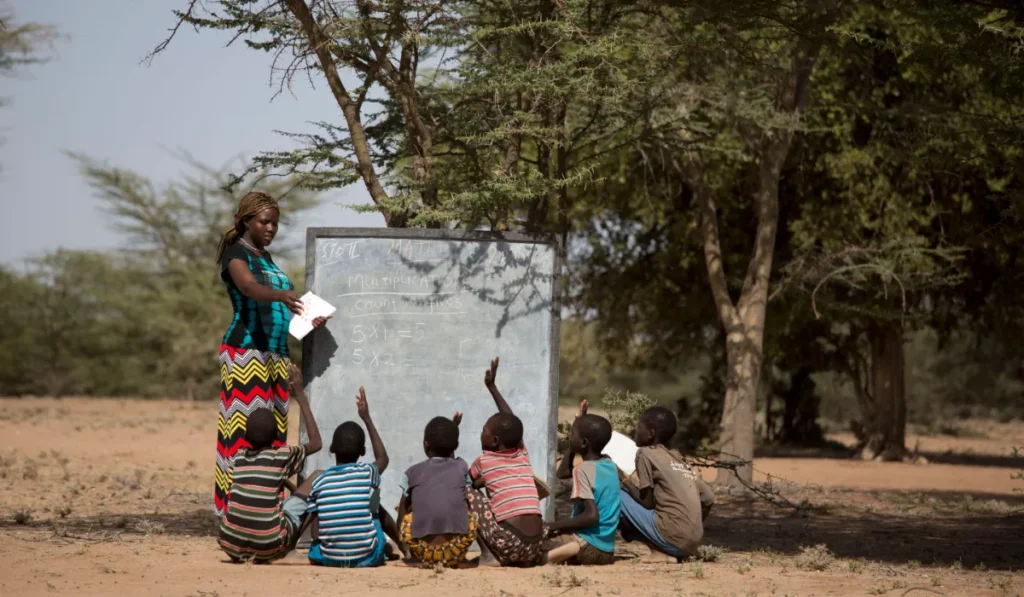
In Diki village, under Chief Nekatambe, residents say children walk a total of 8 kilometres or more to school daily under the blistering sun, risking dehydration and headaches.
“Unlike before, these days, throughout the year, it’s extremely hot. The situation expose children who walk to school. Also, due to continued dryness, water levels are on record low in almost all of our water sources. This has resulted in children lacking adequate hygiene especially adolescent girls, affecting their menstrual health,” said Derrick Ncube, a Diki resident.
Ncube highlighted the urgent need for climate adaptation strategies and improved healthcare infrastructure in rural Zimbabwe.
“Climate change has been topical but we haven’t seen changes in the ways things are. We hear of COP, but in this part of the world, we need more of actionable solutions to adapt to this climate crisis than rhetoric. Resourced health facilities can also help us amidst the crisis,” added Ncube.
According to UNICEF, climate change is contributing to the air quality, which was rated poor with the change affecting 30% of Zimbabwean children. Consequently, this has resulted in respiratory issues like asthma and bronchitis.
The struggles of families, healthcare workers, and communities on the front lines highlight the urgent need for climate action and adaptation strategies to protect Zimbabwe’s most precious resource; its children.
Sihle Musiwa, a village health worker in Hwange rural, has witnessed first-hand the devastating impact of climate change on children’s health.
“Heat rash, respiratory infections, and dehydration are just a few of the climate related illnesses I see daily. During heat waves, patients often delay seeking care, making their conditions worse. But, we do our best to manage the condition,” said Sihle.
To combat this, Musiwa empowers her community through health education sessions, teaching simple yet lifesaving strategies.
“We educate people to drink lots of water to stay hydrated, sit under the shade when possible, and wear sunhats when leaving home. These small steps can make a big difference in preventing heat related illnesses,” she explained.
“Climate change is ravaging Zimbabwe’s. Water scarcity, and poor waste management escalates cholera risks, with over 500 cases last year,” added Musiwa.
Desire Nyagura, the Executive Director, Youth light Zimbabwe and founder of A Beep from Nature emphasises the urgent need for informative materials to educate communities on climate related health risks, enabling them to safeguard their children’s well being.
“People must integrate the government’s Clean Green Initiative into communities and schools, focusing on climate financing, resilient infrastructure, renewable energy, and proper waste management,” advised Nyagura. “I advocate for incorporating climate financing into laws, enhancing climate change awareness and education, empowering young innovators in climate smart solutions, and promoting corporate responsibility for child safety.”
With a crucial focus on putting previous commitments into practice, leaders emphased the necessity of continuity and collaboration in climate-health programs. The signing of the Letter of Intent formally forming the Baku COP Presidencies Continuity Coalition for Climate and Health was a high point of the COP29 proceedings.
“This initiative unites the visionary leadership of five COP presidencies that span this critical time for action, underscoring a commitment to elevate health within the climate agenda.” Said Dr Tedros Adhanom Ghebreyesus, WHO Director-General, “This coalition represents a collective will to prioritize climate and health now and for the future.”