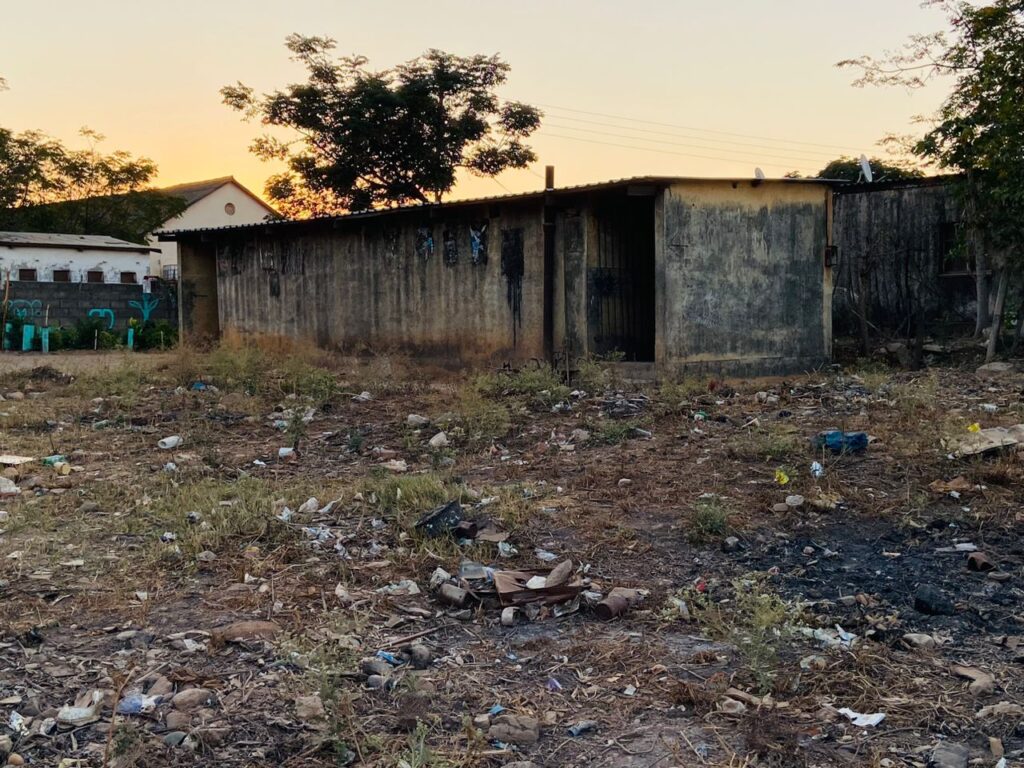
Jahunda community public toilets. Photo Credit: Eullah Ncube/The Besana Mail
With the majority of urban dwellers using potty chairs for training their children in anticipating to use proper toilets, it is a different scenario in Jahunda, a settlement in Gwanda
Gwanda, Zimbabwe – Without proper indoor toilets, residents in Jahunda community have to walk some distance to the settlement’s public ablution facilities. The situation is straining parents of children with disabilities as they are forced to use potty chairs and discard waste in septic tanks.
Brilliance Gumbi, a resident in Jahunda laments that the lack of indoor ablution facilities has created much burden to the family and there is no option as they cannot afford a decent accommodation in the nearby Gwanda town.
“The toilets are a community public facility and have no seats. Also the facilities are too far for my son who cannot walk without crutches. So, it is impossible for him to use the facilities without support,” said Gumbi.
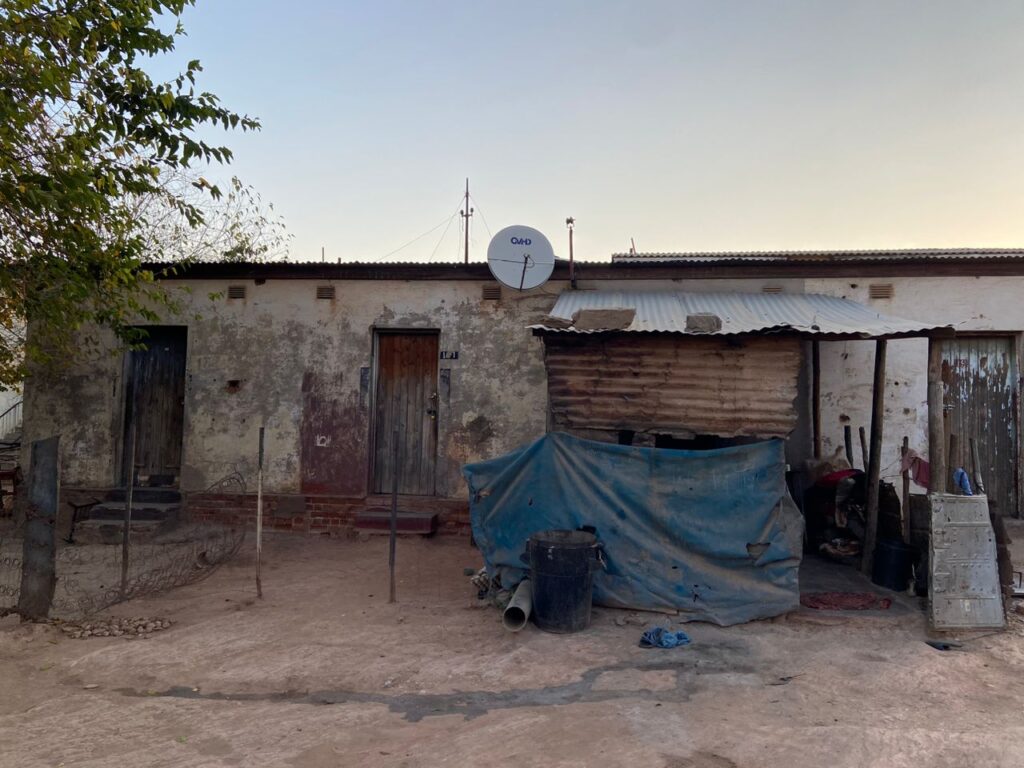
Jahunda residents live in one room per family dating back to the 1990s, with a total of 80 houses using only 4 public bathrooms and 5 squat toilets.
The ablution facilities are situated 50 meters from Gumbi’s house. Lack of modernized bathrooms has made most people to suffer, a situation which is not limited only to children with disabilities but the elderly too.
“What hurts me most is that, my son is growing and soon he will be bullied by other children for using a potty chair at his age. It’s painful,” sobbed Gumbi.
Potty chairs for children are now the solution for the community. They use them to urinate and defecate in, then they discard their waste to septic tanks that are near their houses.
The local authority ward councilor said they have taken some intervention measures to ban the use of septic tanks in the settlement.
“We have banned community members to open septic tanks because there are exposing themselves to health hazards,” said the Councilor for ward 4, Wellington Nare.
After the warning from the local authority, residents have since stopped discarding waste in the septic tanks. But they are still concerned of lack of proper toilets, distance and hygienic concerns in public ablutions.
Gumbi together with another community member, both with children with disabilities, made a request to the Municipality of Gwanda to be allowed to build temporary toilet structures for their children.
“We were not successful. The council told us that, by allowing such, the settlement will end up haphazard and will affect the social order,” said Gumbi.
Commenting on the request to Gwanda municipality by the two residents, Nare said they had not used the right channel. The councilor advised them to put their request in writing and send it to the housing office for a council resolution.
Community members speaking to The Besana Mail said they are living in fear of drunkards who share the same public toilets with them on their way to the nearest club, Manzamnyama cocktail bar. The toilets are not clearly labelled to indicate the facilities for men and women resulting in the crashes most of the time.
“I saw a shadow and when I looked up, a man had entered the ladies’ toilet and I screamed! fortunately, he quickly went out,” said one of the residents.
Parents in the settlement are becoming worried of their teenage daughters using the same facilities as this can result in sexual abuse and rape by strangers.
With only 4 bathrooms in Jahunda, children rise up earlier than usual to try ease the pressure but they have been struggling getting to school on time. Some children have resorted to using their homes, bathing in huge dishes.
The pressure mounts as the working class also has to compete for the same facilities at the same time. With families using one room each, bathing inside houses will be not feasible to a family with both working class and school going children. They have to brace for the long queue at the public facilities.
When asked if there were any future plans to develop the area and better the situation, Nare commented that they had started building houses with private indoor toilets for the community. The project is currently on halt because of lack of resources.
“We have borrowed stands from the Infrastructure Development Bank of Zimbabwe (IDBZ) and after completing the transaction, residents of ward 4 will be allocated accordingly,” said Nare.
Nare has hope in the new masterplan by the council that is set to develop Gwanda and eradicate the settlement setup that was created during the colonial era.