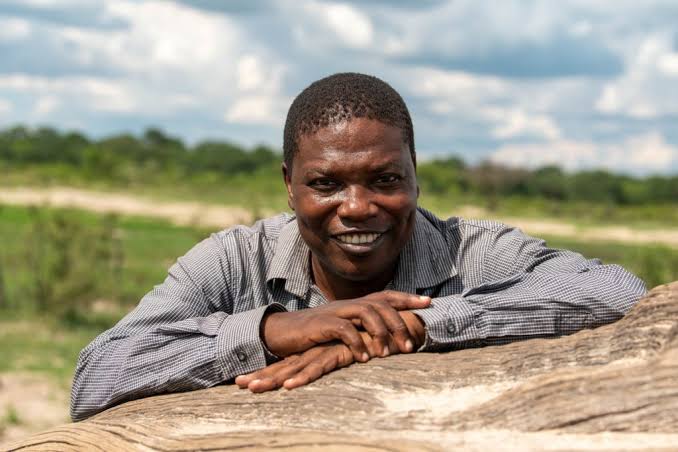
In Part 1 of this interview, Amos Gwema (AG) shared his journey into wildlife conservation and what it means to be recognised among Africa’s outstanding rangers through the Tusk Ranger Awards. His story offered insight into the dedication, risks, and passion that define life on the frontline of conservation.
In this second part, the conversation continues as Amos reflects on the realities of ranger work today, the challenges facing conservation efforts, and his hopes for the future. Speaking to Calvin Manika (CM), he also shares lessons from his experience and the impact of recognition on his career and community.
CM: Can you share memorable experience from the field that reflects the importance of
conservation in Zimbabwe?
AG: One of the most memorable experiences I have had in the field was in July 2013, when I attended a crime scene in Hwange National Park. The scene was horrific – over 50 elephant carcasses were scattered around a waterhole, some with their tusks removed and others still intact. The elephants had been poisoned, and it was clear that the poachers had targeted them specifically, for their ivory.
What struck me most about the scene was the fact that it was deep in the park, far from any villages, and there were no witnesses to the crime. The only signs of human presence were footprints, which suggested that the poachers had come and gone quickly, leaving behind a trail of destruction. But it wasn’t just the elephants that had been killed – hundreds of vultures, hyenas, and other animals had also died from eating the poisoned carcasses. The investigation was a challenge, but it taught me a valuable lesson about the importance of building relationships with local communities. We realised that the only way to solve the case was to go into the community and gather intelligence. We worked with local people, and eventually, we were able to identify the perpetrators and bring them to justice.
The experience was a turning point for me, and it highlighted the critical role that communities play in conservation efforts. By working together with local people, we can gather intelligence, identify threats, and take action to protect our wildlife. It also taught me the importance of teamwork and collaboration – we couldn’t have solved the case without the support of the community and my colleagues.
This experience has stayed with me, and it continues to drive my passion for conservation. It’s a reminder that our wildlife is under threat, but with the right approach and the right partnerships, we can make a difference.
CM: What are the biggest threats facing wildlife and protected areas today from your
perspective?
AG: From my perspective, the biggest threats facing wildlife and protected areas today are organised crime syndicates and the lack of effective laws to hold sponsors and leaders accountable. The poaching triangle is a complex web of perpetrators, and often, it’s the low-level poachers who are caught and prosecuted, while the masterminds behind the crimes remain unaccounted for.
In Zimbabwe, for example, the law only allows for the prosecution of individuals found in possession of or dealing in ivory illegally. There is no clear legislation that addresses the issue of sponsors or syndicate leaders who orchestrate poaching activities from behind the scenes. This loophole allows these individuals to continue recruiting others to carry out the crimes, while they remain safe and untouchable.
Another significant threat is the lack of economic benefits for communities living adjacent to protected areas. Often, these communities do not see the value of wildlife conservation, and this can lead to human-wildlife conflict. For instance, I have seen situations where a community hospital does not have an ambulance, but the nearby protected area has multiple all-terrain vehicles. This disparity can create resentment among community members, making it more challenging to promote conservation efforts.
To address these threats, I believe there is a need for a multi-faceted approach. Firstly, laws need to be reviewed and strengthened to hold sponsors and leaders accountable for their role in poaching activities. Secondly, communities living near protected areas need to be supported and empowered to benefit from wildlife conservation. This can be achieved through initiatives such as revenue sharing, employment opportunities, and infrastructure development.
Ultimately, the key to effective wildlife conservation is collaboration between governments, conservation organisations, and local communities. By working together, we can address the root causes of poaching, support communities, and protect our wildlife for future generations.
CM: Many people don’t fully understand what rangers go through. What are some risks
or sacrifices the public might not know about?
AG: As a ranger, I can attest that the public often doesn’t fully understand the risks and sacrifices we make to protect wildlife and preserve our natural heritage. One of the biggest challenges we face is the harsh environment we work in. Our office is literally the great outdoors, where we are exposed to the elements and surrounded by dangerous wildlife, such as snakes, lions, and mosquitoes. We work in extreme weather conditions, whether it’s scorching heat with no air conditioning, torrential rain that leaves us drenched, or freezing cold temperatures that make it hard to function. We are always on the move, patrolling vast areas, often on foot, and without the luxury of modern amenities.
In addition to the physical risks, our work also takes a toll on our personal lives. We spend months at a time away from our families, missing important events and milestones, and our children often suffer as a result. They may not have access to the best education, and we are forced to make sacrifices that affect their future.
We also put our lives on the line every day to protect wildlife, and sadly, some of us don’t make it back home. We’ve lost rangers to snake bites, lion attacks, and poacher ambushes. It’s a heavy burden to carry, but it’s one we’ve accepted as part of our duty.
Despite all this, we continue to do our job with dedication and passion, driven by our love for wildlife and our commitment to preserving our natural heritage. We hope that by sharing our story, the public will gain a better understanding of the risks and sacrifices we make, and appreciate the vital work we do to protect our planet’s precious wildlife.
CM: How do you balance the dangers of the job with family life and personal well-being?
AG: Balancing the dangers of the job with family life and personal well-being is a huge challenge for me as a ranger. To be honest, it’s not always easy, but I have learned to make the most of the time I have with my family when I am off duty. When I am not working, I prioritize spending time with my loved ones, and that’s crucial for my own well-being, too. The thing is, my job is unpredictable, and I can be called away at any moment. That makes it tough to plan for the future or invest in things like my family’s financial security. It’s like I’m always putting my life on hold, and that’s not ideal. When I’m off duty, I try to focus on being present with my family, but it’s hard not to think about work, especially when I’ve got colleagues still out there facing danger.
One thing that helps is having a supportive family who understand the demands of my job. They know I am doing this work because I care deeply about conservation, and that’s what keeps me going. Still, it’s a constant juggling act, and some days are just harder than others. In terms of personal well-being, exercise and staying connected with colleagues who understand what I go through helps me cope. We support each other, share experiences, and that camaraderie is vital. I also try to make time for simple things that bring me joy, like spending time in nature (when I can!), which sounds ironic, given my job, but it’s different when you’re doing it with loved ones.
CM: What keeps you motivated despite the challenges?
AG: What keeps me motivated despite the challenges is knowing that my efforts, and those of my fellow rangers, are making a tangible difference in protecting our wildlife and ecosystems. The recognition from organisations like Tusk Trust and the Game Ranger Association of Africa means a lot to me and my colleagues. It’s a reminder that our hard work, sacrifices, and dedication aren’t going unnoticed.Seeing the impact of conservation efforts, like the reduction in wildlife crime in areas where we’ve worked, motivates me to keep pushing forward. Plus, knowing that my work is contributing to a larger goal of preserving our natural heritage for future generations gives me a sense of purpose.
And let’s be real, it’s the community support and seeing local people benefit from conservation efforts that really drives me. When communities see the value in wildlife and conservation, it makes all the challenges worth it.
“Knowing that my work protects not just wildlife, but also inspires communities, is what keeps me going. The recognition fuels my passion, but it’s the impact that sustains me.”
CM: The awards are currently open for nominations-what would you say to rangers who
are considering applying or being nominated?
AG: To rangers considering applying or being nominated, I would say: “If you’re making a real difference on the ground, go for it! Be honest about your impact and achievements. If you have got the passion and results, don’t hesitate, your work deserves recognition.”
CM: How can recognition like this help not just individuals, but conservation efforts
across Africa?
AG: Recognition like this can have a ripple effect on conservation efforts across Africa. By rewarding frontline conservationists, we are supporting those who are already making a difference on the ground, often with limited resources. When these individuals are recognised, the rewards or grants can go straight towards conservation efforts, amplifying their impact.
Many of these conservationists have already invested their own time and resources into protecting wildlife and ecosystems, so when they’re recognised, it frees up those resources to be redirected towards more conservation work. It’s a way of saying, “We see you, we value your work, and we’re investing in your efforts.” This can inspire others to get involved and boost conservation momentum across the continent.
CM: What role do communities play in successful conservation efforts?
AG: Communities are the backbone of successful conservation efforts. They are the first line of defence for wildlife and ecosystems, and their role is multifaceted. On one hand, communities can be part of the problem, they might consume wildlife products or harbour poachers, often due to lack of awareness or economic necessity. On the other hand, when engaged and empowered, they can be powerful allies in conservation. That’s why community engagement is key. By working with local communities, we can tap into their knowledge, build trust, and create a sense of ownership. I have developed the TREES model, which stands for Teach, Reform, Engage, Educate, and Support. This approach recognises that communities need to be equipped with the right information, skills, and incentives to support conservation.
By teaching communities about the value of wildlife and ecosystems, we can reform negative attitudes and behaviours. By engaging them in conservation efforts, we can educate them about the benefits of protecting nature. And by supporting them with resources and economic opportunities, we can create a win-win situation for both people and wildlife.
I am convinced that the TREES model, coupled with the “If you see something, say something, and do something” approach, can make a real difference.
CM: What support do rangers still need from governments, NGOs or the international
community?
AG: Rangers still need significant support from governments, NGOs, and the international community to effectively protect wildlife and ecosystems. One key area is legislation, governments need to strengthen laws to protect wildlife and provide adequate protection for rangers themselves. There should be coordinated, deterrent legislation across Africa and globally to combat wildlife crime.
NGOs and the international community can play a crucial role in filling gaps by providing logistics and resources. Governments often face budget constraints and competing priorities, making it tough for them to fully support conservation efforts. So, external support is vital for effective conservation.
CM: Thank you, Mr. Gwema!