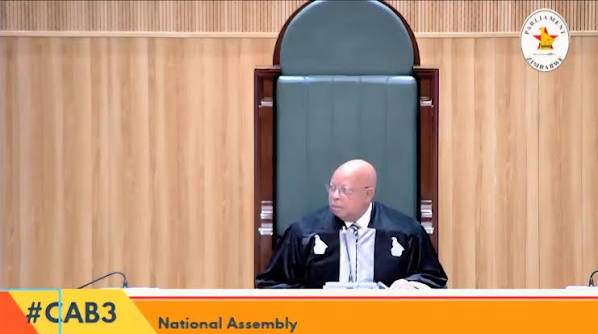
Zimbabwe’s Constitution Amendment (No. 3) Bill (CAB3) cleared a major hurdle on Thursday after it was passed by the National Assembly with the required two-thirds majority, paving the way for consideration by the Senate.
The bill was approved by 216 Members of Parliament, while 42 voted against it, comfortably exceeding the constitutional threshold of 187 votes needed for a constitutional amendment in the 280-member House. Speaker of Parliament Jacob Mudenda subsequently declared that the vote met the requirements of Section 328(5) of the Constitution.
The vote followed weeks of debate in the National Assembly, during which Parliament suspended much of its ordinary business to prioritise consideration of the bill.
CAB3 proposes a series of constitutional changes, including extending the terms of office of the President, Parliament and local authorities from five years to seven years. It also contains provisions that would alter the method of electing the President, replacing direct popular elections with election by a joint sitting of Parliament.
With the National Assembly stage now complete, the bill moves to the Senate, where it must also secure a two-thirds majority before it can proceed further. Given ZANU-PF’s dominance in the upper chamber, political observers expect the legislation to pass there as well.
If approved by the Senate, CAB3 will then be presented to President Emmerson Mnangagwa for assent. Under Zimbabwe’s constitutional amendment procedures, passage by both Houses is required before the bill can become law.
The bill’s progress through Parliament has attracted intense political and legal scrutiny, with opponents arguing that some of its provisions could face constitutional challenges even if the legislative process is completed. However, Thursday’s vote marked a significant victory for the ruling party, which successfully marshalled the numbers needed to push the amendment through the lower house.