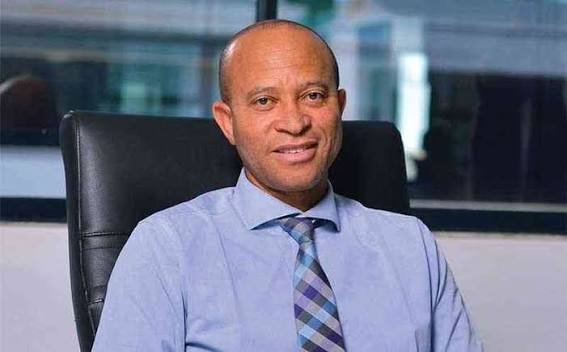
Zimbabwe approved 378 investment licences worth more than US$3 billion in the first half of 2026, as the country seeks to shift its investment strategy from attracting projects to converting investor interest into projects that can be implemented, Zimbabwe Investment and Development Agency (ZIDA) chief executive Tafadzwa Chinamo said.
Speaking at ZIDA’s Media Engagement Forum in Harare, Chinamo said the first-half figures reflected continued investor interest in Zimbabwe, with mining and manufacturing remaining the dominant sectors.
“Quarter Two reflects continued investor confidence in Zimbabwe and demonstrates the Agency’s deliberate shift from investment promotion towards investment conversion,” Chinamo said.
During the second quarter alone, ZIDA approved 184 new investment licences representing a projected investment value of US$1.59 billion. Mining accounted for the largest share, with 86 licences valued at US$768.5 million, while manufacturing followed with 43 licences worth approximately US$496.7 million.
Together, the two sectors accounted for almost 80% of the projected investment value approved during the quarter, highlighting their continued importance to Zimbabwe’s industrialisation and economic transformation ambitions.
Chinamo said ZIDA was increasingly focusing on the quality of investment leads rather than simply increasing the number of investment enquiries or promotional activities.
During the quarter, the agency directly engaged 241 targeted investors, generated 38 qualified investor leads and facilitated 15 tripartite investment meetings. It also secured eight investor commitments and non-disclosure agreements, representing investment commitments of approximately US$413.8 million.
“These figures reflect our continued emphasis on quality investor engagement capable of producing implementable projects rather than simply increasing promotional activity,” Chinamo said.
The agency’s performance comes as Zimbabwe seeks to attract more foreign and domestic capital amid efforts to improve its investment environment and deepen private-sector participation in economic development.
Chinamo said the agency’s role went beyond issuing licences, arguing that the ultimate test of investment promotion was whether approved projects translated into economic activity.
“Investment promotion is ultimately measured not only by projects approved, but by projects implemented, businesses established, employment created and long-term economic value generated,” he said.
Mining has remained a major source of investment interest in Zimbabwe, which has significant deposits of gold, platinum-group metals, lithium, chrome and other minerals. The government has repeatedly identified mining as a key pillar of its economic growth strategy while also seeking greater investment in processing and beneficiation.
Manufacturing, meanwhile, has been positioned as a critical component of Zimbabwe’s efforts to rebuild domestic industrial capacity and increase value addition.
The latest investment figures also come against the backdrop of renewed attention on public-private partnerships (PPPs), following Cabinet approval of Zimbabwe’s Public-Private Partnership Framework.
Chinamo said the framework could provide new opportunities for private capital to participate in infrastructure development, service delivery and broader economic transformation.
“Today’s engagement comes at an important point in Zimbabwe’s investment reform journey,” he told journalists. “Following Cabinet’s approval of the Public-Private Partnership Framework, there is renewed national interest in the role that PPPs can play in infrastructure development, service delivery and economic transformation.”
The framework is expected to give investors greater clarity on the opportunities available through partnerships with the government, while defining the roles of institutions involved in identifying, developing and implementing PPP projects.
ZIDA has said its engagement with the media is partly aimed at improving public understanding of investment policies and opportunities. Chinamo said accurate reporting was particularly important because perceptions about Zimbabwe’s investment environment can influence investor confidence.
“The media plays a critical role in shaping investor confidence,” he said. “Through factual, balanced and informed reporting, you contribute to building Zimbabwe’s reputation as an investment destination and help communicate Government’s reform agenda to both local and international audiences.”
The agency established its Media Engagement Forum in 2024, bringing together more than 100 journalists at its inaugural event. The initiative was designed to improve journalists’ understanding of investment licensing, special economic zones, investor aftercare and government reforms aimed at improving the ease of doing business.
According to Chinamo, the engagement has contributed to ZIDA becoming a more prominent source of investment information for the media.
He said journalists increasingly refer to ZIDA publications and statistics when reporting on investment and economic development, while media organisations are also increasingly seeking clarification from the agency before publishing investment-related reports.
ZIDA recorded more than 150 media mentions across print, broadcast and online platforms during 2025. By the end of June 2026, the agency had already recorded 281 mentions.
The agency now plans to intensify targeted investment promotion in strategic sectors during the second half of the year, while strengthening investor facilitation and aftercare. It also intends to increase the promotion of PPP opportunities and deepen cooperation with government institutions and private-sector organisations.
Chinamo said the agency’s broader objective was to ensure that investor enquiries and approvals resulted in tangible economic outcomes.
“Investment promotion is a shared national responsibility,” he said, adding that government creates the policy environment, businesses develop projects and create value, financial institutions provide capital, while the media “informs, educates and builds public confidence.”
For Zimbabwe, the challenge will now be converting the more than US$3 billion in projected investment approvals recorded in the first six months of the year into operational businesses, infrastructure, jobs and increased economic activity.
“The success of investment promotion is therefore not measured solely by the number of licences issued,” Chinamo said. “It is measured by informed investors, credible information, projects implemented, businesses expanded, jobs created and the confidence that Zimbabwe inspires.”