Foot and Mouth Disease (FMD) or Hoof and Mouth Disease (HMD)
Climate change induced migration is sending wild animals on a great trek in search for water. The animals presence in human settlements is a new headache to villages near the national parks as fear of zoonotic diseases grips them.
Wild animals in Zimbabwe’s Hwange National Park in Matabeleland North are migrating in record numbers to neighboring Botswana as a result of an extended dry season. It is anticipated that the El Niño weather pattern would extend the drought, creating dry water holes and driving animals to look for alternative water sources. Elephants and buffaloes are among the many species taking part in the migration.
The park has had comparatively little rainfall from November to March, when precipitation is usually at its highest. Experts warn that the El Niño weather trend could worsen the park’s already dire conditions by substantially reducing rainfall in the latter part of the year.
Southern Africa has been designated as a hotspot region by the United Nations International Panel on Climate Change. This area sees less rainfall and is more susceptible to heat waves as the planet’s temperature rises. Animal mobility draws attention to the effects of climate change and the possibility of an increase in zoonotic illnesses.
Due to the severe drought conditions in 2019, more than 200 elephants and other wildlife species died in the country’s parks. Early in December of this year, scores of dead elephants were discovered.
Villagers in the settlements that surround Hwange National Park are worried that the buffalo movement may spread foot and mouth disease to humans and domestic animals.
“These animals’ migration involves more than just crossing the Botswana border or attacking humans; it also involves them engaging with our domestic animals. There is a lot of disease transmission,” complains villager Fiona Ncube.
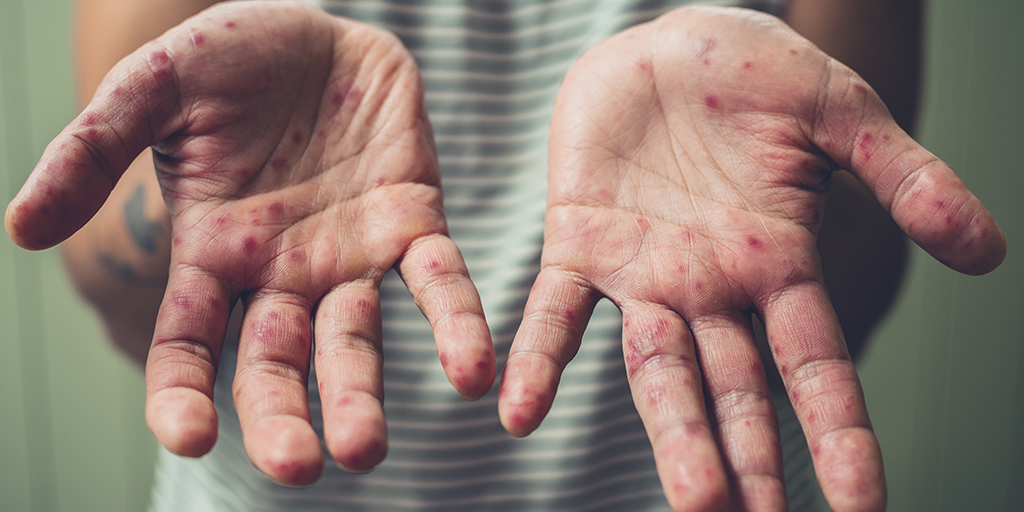
In the past such interactions threatened the lives of the people in Matabeleland North, fortunately the detection of foot and mouth disease was early. Without early detection, the disease can spread readily, leading to hand, foot, and mouth disease.
The disease is not severe and mainly affect children, residents in places like Hwange Rural, which have few and inadequate medical facilities, are in a panic and are always on high alert.
According to climate experts, the life cycles and transmission of infectious organisms, such as dengue fever, cholera, malaria, and hand, foot, and mouth disease (HFMD), are significantly impacted by climate change.
“Rapid population expansion, climate change, socioeconomic shifts, and other lifestyle changes contribute to these outbreaks” said Tinotenda Hungwe, a researcher in climate change and urban development.
Due to the prevalence of zoonotic diseases in Africa, environmentalists and locals are working together to save the environment and prevent further pandemics. Buffaloes that had escaped from wildlife areas where the surrounding fences had previously been dismantled were thought to be the origin of the Lupane foot and mouth outbreak a few years ago.
Zimparks and conservation partners relocated approximately 2,500 wild animals to the north of the country last year, where conditions are better. These animals were originally from the country’s parched south.
About 400 elephants, 2,000 impalas, 70 giraffes, 50 buffaloes, 50 wildebeest, 50 zebras, 50 elands, 10 lions, and a pack of ten wild dogs were among the animals moved from Zimbabwe’s Save Valley Conservancy to three conservancies in the north—Sapi, Matusadonha, and Chizarira—in one of the biggest live animal capture and translocation operations in southern Africa.
Water scarcity is one of the biggest threats to wildlife around the world, according to the World Wildlife Fund and the African Wildlife Foundation (AWF).
In 2019, Botswana imposed restrictions on the transportation of animals with cloven hooves in the northeast of the country due to a buffalo incursion from Zimbabwe that raised the possibility of foot-and-mouth disease in cattle.
More than 500 buffalo recently migrated from Hwange National Park into Botswana in quest of food and water, according to Zimbabwe National Parks. Human and domestic animal health continue to be the key concerns about the migration of wild animals.
Botswana’s authorities are worried that the buffalo could spread foot-and-mouth illness to the cows, lambs, and goats.
Kefentse Motshegwa, the director of veterinary services in Botswana, said that in an effort to prevent the spread of the disease, cattle in the affected areas are not allowed to roam freely.
“The implications are that in these times of drought and limited water resources, the buffaloes were hungry and thin. There is a risk that they may be shedding more virus, and the government is doing all it can to humanely round them up, provide them with water, and dispose of any that are in poor condition. Concurrently, necessary measures are being taken to prevent the spread of foot and mouth disease,” said Mazwinduma.