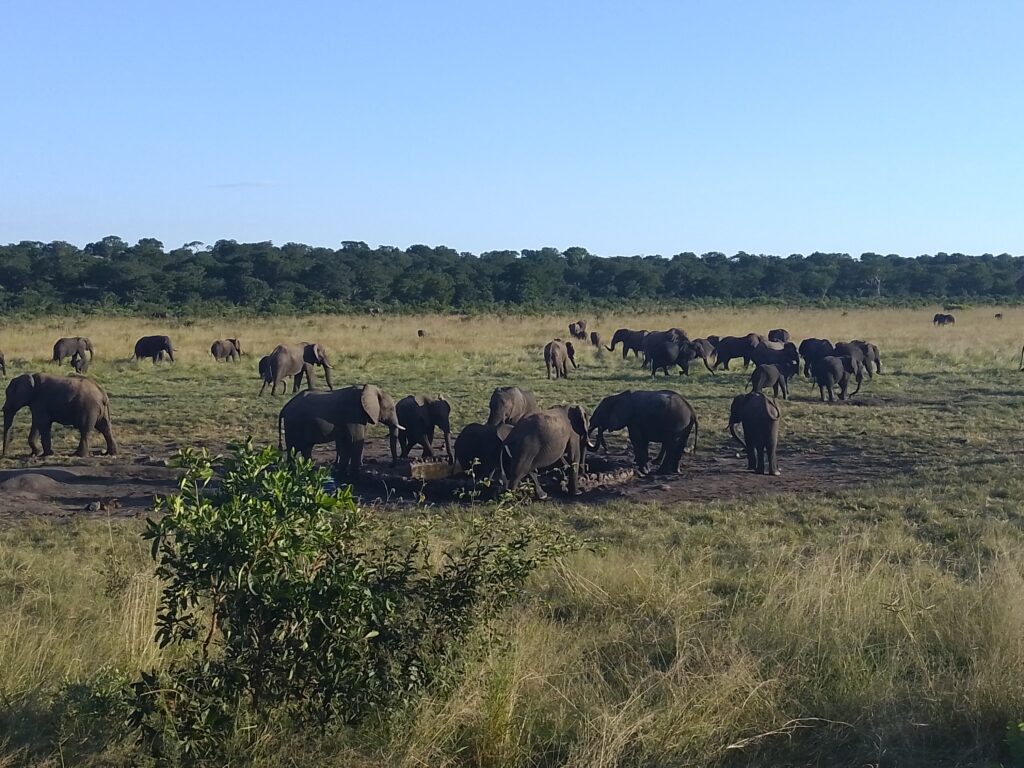
Elephants in the Zambezi National Park - Photo Credit: Calvin Manika
Studies emphasise the need for fair and cooperating partnerships between domestic and foreign organizations
Kigali, Rwanda — Maliasili, an international non-governmental organization that supports high-potential local organizations to accelerate their impact, recently released a study report titled “Rooting for Change: Strengthening Local to Global Partnerships in African Conservation.” It highlights the vital importance of developing strong relationships between local community groups and international non-governmental organizations (INGOs) in the field of African conservation.
Unveiled at the Business of Conservation Conference in Kigali on August 31st, this groundbreaking study is based on survey responses and interviews with more than 60 professionals from various local and grassroots African organizations that work to conserve forests, wildlife, marine environments, and Indigenous land rights in 18 different countries.
The goal of Maliasili is to empower local conservation organizations so they may overcome obstacles and become more powerful change agents in their communities, landscapes, and countries.
Resson Kantai Duff, Portfolio Funding Director at Maliasili, emphasized the importance of reconsidering the strategy, framework, and upkeep of conservation collaborations.
“This presents a genuine chance for global organizations to establish credibility by acknowledging local capabilities, highlighting organizations carrying out significant work with local communities, and letting the organizations closest to the issue determine the agenda,” she said.
“Our report aims to document the experiences of African conservation leaders with these partnerships and leverage their perspectives and suggestions to optimize the beneficial potential of these collaborations,” Kantai-Duff added. “We pay attention to their voices and viewpoints because we understand that, given current power imbalances, it can occasionally be more difficult for them to be heard in international debates, and their opinions are essential to any constructive development of partnerships.”
Moreangles Mbizah, Founding Executive Director of Wildlife Conservation Action in Zimbabwe, emphasized the importance of collaborations that make use of the assets and skills of other organizations in order to tackle social and environmental issues. She said she hoped the report would help local and international NGOs communicate and understand each other better, which would enhance these important ties.
“The objective of the report was to try to understand the relationship between local NGOs and International NGOs, to document some of the challenges local NGOs have faced in our partnerships and working with International NGOs. But more importantly, the report provides opportunities which are available in strengthening the relationships between local and international NGOs,” said Mbizah.
Zimbabwean and other African conservationists are leading the charge in the fight against climate change, biodiversity loss, and other conservation concerns. They are essential to reaching global conservation goals like the 30×30 goal, which calls for protecting 30% of the planet’s land and oceans by 2030. The significance of including Indigenous Peoples and local people in decision-making and implementation is becoming increasingly apparent.
Local organisations often rely on partnerships with INGOs to access funding, networks, expertise, and technical resources that would otherwise be challenging to obtain.
The study report highlights the opinions and viewpoints of local organizational leaders regarding the development of successful partnerships. It is based on key informant interviews and an online survey.
According to key findings, 88% of African organizations believe that relationships with INGOs are crucial to their work, and 82% of them acknowledge the vital resources that these partnerships give. But 71% also acknowledge the difficulties and major obstacles that must be removed.
“You don’t empower people within the period of six months or one year,” said Andrew Giahquee of Liberia’s Skills and Agricultural Development Services, emphasizing the value of forming meaningful partnerships based on mutual respect, trust, complementary expertise, and long-term relationships. “Within six months or a year, they expect you to inform them that these communities are now experts. It isn’t feasible.”
Moving from transactional to meaningful partnerships based on shared purpose, trust, respect, equity, strategic alignment, and cooperative co-creation are some of the techniques the research recommends to get past these obstacles. It also demands that INGO roles and places within the African conservation landscape be clearly defined, as well as that particular collaborations with local organizations be established.