Drying water bodies due to human activities -SILISIWE MABALEKA
Lupane – Lupane villagers residing in the forest settlement areas are the most hit by climate change. Their daily life is filled with struggles. Shortage of adequate food and wildlife driven by lack of water in the national park are everyday experiences, our investigation reveals.
With support from the Friedrich Naumann Foundation (FNF) and the Voluntary Media Council Zimbabwe (VMCZ), Besana Mail found that the communities most affected by climate change live near forests.
According to Marko Ndlovu, a peasant in the Mafa area, the weather has drastically changed during the last five to seven years. According to him, little rainfall and high temperatures have made farming unprofitable and caused water tables to drop.
“Climate Change is real to us; we are trying our best but the little we have is destroyed by the animals also looking for water in our settlements. It’s scary and defeating our hope. When the wild animals come out of the park we are the first port of call, it’s a competition for water,” said Ndlovu.
Due to climate change, people are rushing to drink from the same water sources as domestic and wild animals in forest areas without boreholes. Our extensive investigation into the triad of Lupane reveals the unprecedented impact of climate change on its inhabitants.
Investigating further reveals that climate change has more effects than first appears. The Gwayi, Bubi, Bembesi, Lupane, and Shangani rivers are located in the Lupane district. As rainfall continues to decline, rivers such as the Bembesi and Shangani have become less capable over time.
The Forestry Commission aimed to move forest inhabitants to better locations inside or outside of public forests in the early 1990s.
An incredible 150 homes were forced out of Lupane’s Bembesi forest in 1990. In order to relocate the remaining population, a 30,000-hectare relocation area was created in 1994 on state forest reserves. A sizeable plot of land was given to each relocating family for farming and habitation.
Residents of the Mafa and Lilho settlements in the Gwaai forest, which is tucked away by the Bembesi river valley, adamantly opposed evacuation in spite of these efforts. The main point of concern was the alleged lower quality of the allotted land in comparison to the lush forest regions they are used to.
“Lupane typically has poor soils, but the forest areas have better yields because we want better soils and harvests. It has not been easy, but we have decided to stay here for survival’s sake,” Mafa villager Marko Ndlovu said.
Zimbabwe’s Focus Report highlights how important the private sector is to financing climate change and the development of the green economy in order to help the people of Lupane with climate-related issues. The potential of using natural capital to finance climate change adaptation and encourage green growth is examined in the CFR report. The continental level analysis seen in the African Development Bank’s primary African Economic Outlook report is reflected in this national level study.
In order to lessen the effects of climate change, Zimbabwe has been heavily dependent on international financial systems. This dependence endures because the nation’s own financial systems still have unrealized potential.
According to the report, Zimbabwe has to improve its technical proficiency in financial structuring in order to increase resource mobilization from the private sector.
Additionally, it is believed that improving the business climate through incentive-based institutional, governance, and regulatory frameworks is another crucial step. The report states that development finance organizations and multilateral banks can assist in these endeavors.
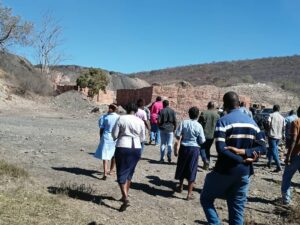
A visit to the forest settlements showed that life on the edge of Lupane is a tale of climate change, and human resilience. With scrambling for the few water spots which can sustain year out, rivers like Mbembesi and Shangani are overwhelmed.
Read the maiden investigation here: https://thebesanamail.com/2023/09/24/navigating-the-intersections-climate-change-wildlife-conflicts-andaccountability-in-lupane/