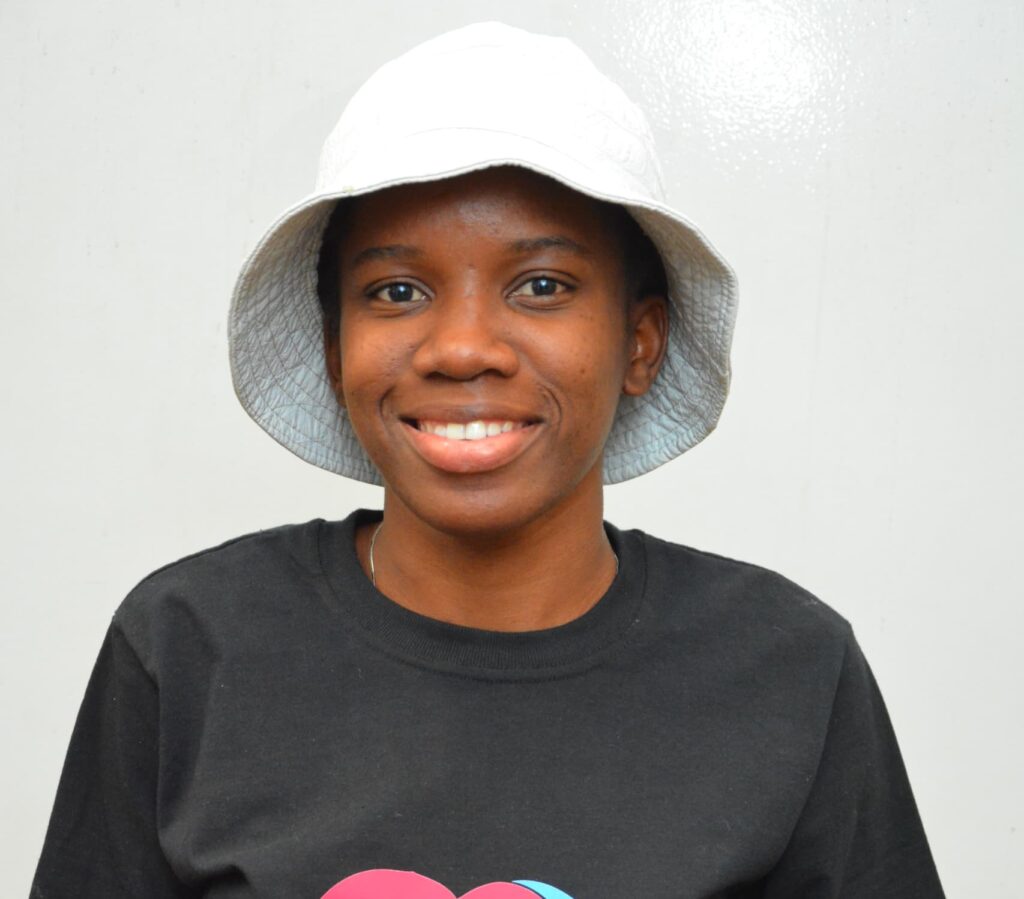
Kudzai Zambezi - Founder of Chikomborero Foundation
With a high number of child headed families across the Sub-Saharan region, Onita Sibanda (OS) hosts Kudzai Zambezi (KZ) who brings valuable expertise and perspectives on Child headed families and mental health.
OS: Welcome Kudzai, thank you for joining us tonight! Could you kindly introduce yourself?
KZ: Thank you for having me. It is a pleasure to be part of this important conversation. I’m Kudzai Zambezi, a dedicated advocate for mental health awareness, youth empowerment, and agricultural development. As the founder and president of Chikomborero Foundation, I have committed most of my time to fostering a supportive community that promotes positive change. In addition to my role at the foundation, I serve as an Agricultural Extension Officer, bridging the gap between rural communities and vital agricultural resources.
Through my work, i strive to encourage a new generation of leaders to prioritize mental wellness and essential agricultural practices ultimately formulating a more resilient and thriving society
OS: Thank you for sharing your impressive background and work with us.
What does Chikomborero Foundation do?
KZ: Chikomborero Foundation is a youth-led non-profit organization committed to transforming the lives of young people by providing charitable support, basic needs, and services, with a focus on two key areas: Agricultural Knowledge, empowering young people with basic understanding in sustainable agricultural practices for self-sufficiency and entrepreneurial skills, and Mental Health Awareness, prioritizing mental wellbeing with resources and support to navigate life’s challenges with confidence and resilience, envisioning a world where everyone has access to basic resources to live a dignified life and thrive regardless of circumstances.
OS: Thank you Kudzai, by addressing both the practical needs and emotional wellbeing of young people, you are empowering them to build resilient lives and communities.
Tell us a bit of background. How did you come up with the idea?
KZ: My journey with Chikomborero Foundation began with a passion to empower underprivileged young people, driven by my own experiences and observations. I saw how limited resources, such as education, hindered young people from fulfilling their potential. Having been fortunate enough to acquire hands-on skills, i felt compelled to share my knowledge with those who lacked access to formal education. I began teaching practical agricultural skills, equipping them with the tools to succeed in life.
Personally, I have struggled with mental health, and through those challenges, I have come to understand the vital importance of support and community. I have learned that resilience is key, and I am eager to share my story with others who face similar struggles. By doing so, I hope to inspire and empower them to tap into their own resilience and overcome adversity. Through Chikomborero Foundation, I aim to create a supportive ecosystem that fosters growth, hope, and positive change for underprivileged young people.
OS: Your personal story and journey are truly inspiring. It is remarkable how you have turned your own challenges into a driving force for empowering others. Let us look at Child Headed Households. What are the most common challenges facing these children?
KZ: Well, every child ought to have guidance, support, care, love and all other specialties from parents or guardians for them to truly prosper. So, children in child-headed households often lack these necessary aspects, leaving them to survive life’s challenges by themselves and as an outcome, they may struggle with decision-making, and the weight of countless responsibilities they carry tolls on their mental health as well.
Without a supportive adult presence, they may face increased stress, anxiety, and emotional distress, making it even more difficult to cope with their circumstances.
As for the girl child in child-headed households they encounter unusual challenges that are impacted by their gender and the extraordinary circumstances they find themselves in such as GBV. Lack of parental or guardian safety and the need to take on adult responsibilities at a young age can expose girls in child-headed households to various harmful risks.
Also increased household duties on girls in child-headed households, such as cooking, cleaning, and caring for younger siblings restrict their time and energy for other life aspects like personal development, education, self-care, socialization and relaxation activities.
Then there are early marriages amongst girls in child-headed households. These girls may go into early marriages as a result of pressure. This can be navigated by the need for financial peace and due to limited education and economic possibilities may also contribute to the perception that marriage is the only viable option for girls.
OS: Absolutely! It is disheartening to think of children shouldering such immense responsibilities alone.
KZ: On the other hand, boy children in Child-Headed Households also face tough challenges like the obligation of taking on adult responsibilities at a young age. They may be anticipated to deliver for the household, perform physically demanding tasks, and take care of younger siblings. They end up doing anything even involved in child labour just for them to get something and all this leads to increased pressure and stress on these young boys.
OS: That’s a critical issue Kudzai. The pressure to provide, perform physically demanding tasks and care for younger siblings can lead to increased stress, anxiety and even exploitation through child labour.
Mental Health challenges are rife among these children. How best they can be helped? You can tell us your experiences.
KZ: I firmly believe that consistency is key when it comes to supporting children. As people who are advocating for their overall well-being we should provide ongoing guidance, counselling, and essential services, rather than only intervening when problems arise. I think by consistently checking in on their well-being, coping mechanisms, and living situations, we can foster long-term, meaningful relationships and bonds.
Involving them in activities tailored to their needs and interests can further enhance their sense of connection and support. Let’s commit to continuous assistance, ensuring they never feel isolated or alone. Through consistent care and engagement, we can empower them to thrive.From experience, I once carried a survey around my homestead trying to figure out some challenges faced by my fellow young people and 9/10 of the outcomes was Mental health health. There are high rates of anxiety and depression due to the overweight loads they carry and social expectations. As a result, some of them are now into alcohol and drug abuse as a coping tool for “reducing” stress and trauma.
So access to Mental Health Services such as counselling, therapy, and psychiatric care should be readily available.
OS: It’s alarming to hear that mental health concerns such as anxiety and depression are prevalent among young people in your community. How best can the government and organizations like yours work together to help child headed households?
KZ: The government can play a vital role in supporting children’s welfare by collaborating with organizations that advocate for their rights. These organizations possess valuable insights into the specific needs of vulnerable children, particularly those in child-headed households. To make a meaningful impact, the government can establish schemes that provide essential services, such as monthly donations of basic necessities like food, clothing, and mental health services from government professionals, counsellors, physiologists or even stepping stone funds or resources to initiate small businesses or projects. For example, giving them agricultural inputs, enabling them to generate income and sustain themselves in the long term.
OS: You are right. Government collaboration with organizations advocating for children’s rights is crucial to drive meaningful change. What has been the most difficult experience working with children?
KZ: One of the most challenging aspects of working with children in our foundation is the limitations imposed by inadequate resources. Despite our best efforts, we often can not provide the comprehensive support they need to thrive. It is heart breaking to know that we have made a positive impact, yet could have done more if circumstances beyond our control had not hindered us.
Furthermore, many children we’ve worked with suffer from PTSD, stemming from traumatic events in their past. This lead to emotional blockages, making it difficult for them to open up and process their feelings. As caregivers, we can sense the depth of their emotional pain, even if they struggle to express it. By acknowledging this reality, we can adapt our approach to better support their healing and growth.
OS: It’s indeed challenging to provide comprehensive support with limited resources. I appreciate your acknowledgment of the emotional blockages and PTSD that many of them face. Working on vision, how do you feed into Sustainable Development Goals?
KZ: Looking at SDG 1 under NO POVERTY. There is provision of basic needs and resources to underprivileged children and youths, promoting self-sufficiency and entrepreneurship through agricultural knowledge also support charitable projects and initiatives addressing poverty reduction.
On SDG 2 under Zero hunger. We continue sharing expertise in sustainable agricultural practices, enhancing food security and nutrition for underprivileged children and youths.
SDG 3 under Good Health and Well-being. We continue again prioritizing mental health awareness, providing basic resources and support for children and youths to navigate life’s challenges with confidence and resilience.
SDG 4: Quality Education. On this we offer training and workshops on sustainable agricultural practices, promoting knowledge sharing and skill development.
SDG 8: Decent Work and Economic Growth. We empower underprivileged children and youths with entrepreneurial skills, promoting economic growth and self-sufficiency.
And lastly SDG 17: Partnerships for the Goals. We collaborate with other organizations or even government if possible and also stakeholders to amplify our impact and leverage collective efforts toward achieving the SDGs.
OS: Wow, I’m impressed by the comprehensive approach you’ve outlined, addressing multiple SDGs simultaneously. How can a media house like Besana Mail help in your work?
KZ: Already you guys are doing an amazing work i much respect for the fantastic work you’re doing. Personally I encourage you to continue utilizing your platform to raise awareness about the pressing issues children face, such as drug abuse, mental health, gender-based violence, and more. These are critical concerns that require attention and collective action. In this era of digital transformation, media houses like yours play a vital role in amplifying our message. I believe you can be a catalyst for change by helping us in raising awareness about our cause, collaborating with like-minded organizations to drive positive change.
Your media backing can also help us secure donations for initiatives that require funding. With your support, we can reach a wider audience, increasing our impact and visibility. Currently, one of biggest challenges I have noticed, not only with us but with other organization advocating for change is limited awareness about our missions and work so by partnering with your media house, we can overcome this hurdle and ensure our voices are heard and our efforts are recognized.
I believe together, we can create a louder voice for children’s advocacy and drive meaningful change.
OS: Thank you so much for your kind words and encouragement. We are deeply committed to using our platform to raise awareness about critical issues affecting children. We believe that collective action and collaboration are essential to driving positive change. Your last words?
KZ: Shout out to all advocates for children’s overall well-being. It truly takes a village to raise a child. One important lesson I have learned is that children have exceptional memories, so let us be mindful of our actions and words around them. The trauma some children carry can be overwhelming and long-lasting. Remember to treat them with kindness and compassion, as you never know what challenges they are facing. As you pray, don’t forget to mention them. Don’t forget to prioritize your own mental well-being and be kind to yourself and others.
OS: Thank you for the powerful reminder. Your words are a testament to the importance of compassion, kindness and understanding in shaping the lives of children. Indeed, it takes a village to raise a child and we must all play our part in creating a nurturing environment for them to thrive. Thank you Kudzai!
KZ: The pleasure is mine.