Climate and Health
Climate change is a public health crisis as 2024 started on warmer note
People around the world, particularly in areas that have been severely affected, have recently become concerned about the COVID-19, Ebola, monkey pox, and other zoonotic diseases. According to analysts, sub-Saharan Africa has suffered greatly in terms of human resources, primarily as a result of ill-prepared health infrastructure. The fear was sparked by COVID-19, which has piqued the interest of both scientists and laypeople in new information regarding animal, human, and environmental health issues.
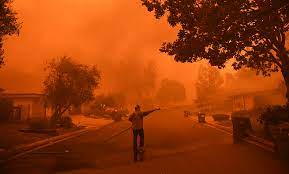
Increased heatwaves, wildfires, floods, and tropical storms are among the factors contributing to the annual growth in humanitarian disasters in many countries. According to a report in the BioScience magazine, more than 15,000 experts from 161 nations conveyed a clear message last year (2023), which was predicted to be the warmest year on record: Earth’s fast changing environment might cause a massive worldwide disaster by the end of this century.
Numerous women in Matabeleland North, Zimbabwe, who were interviewed by The Besana Mail during the COP 28 in Dubai last year, claimed that climate change was having a variety of effects on them. Among the factors were the decrease in nutrition brought on by the extreme heat that affected their agricultural endeavors, water scarcity, and menstrual cycle fluctuations. The majority of them, who made no scientific claims, recalled that these effects and changes are becoming more pronounced and had only recently begun.
Climate change is a public health emergency, according to Dr. Shamsheer Vayalil, founder and chairman of Burjeel Holdings, one of the top private healthcare service providers in the Middle East and North Africa.
“The true short- and long-term toll of climate change may be difficult to measure since it is contributing to multiple challenges for food security, education and the economy – all of which have very negative impact on health,” said Vayalil.
According to climate scientists, some of the consequences of climate change on human health are already being felt by medical professionals. Doctors are reporting higher miscarriages and low birth weight kids, according to a study by Vayalil.
Treatment of children with air pollution-induced lung impairment, an increase in patients with inflammatory skin conditions brought on by allergies, heat, and air pollution, deteriorating symptoms in patients with pre-existing heart conditions, and reports of excess cancer deaths linked to climate change have all been frightening scenes.
The World Health Organization (WHO) data provides clear insights on the profound interconnection between climate change and global health. Research indicates that an astounding 3.6 billion people already reside in regions highly susceptible to the perils of climate change. Even more concerning, projections from 2030 to 2050 anticipate around 250,000 additional deaths each year due to climate-induced under nutrition, malaria, diarrhoea, and heat stress alone.
“The negative consequences of climate change are far-reaching, including direct health damage costs, which are expected to increase to an estimated $2 to $4 billion annually by 2030,” Vayalil continues, “But it’s important to stress that the financial costs go beyond the health sector and affect key sectors like agriculture, water, and sanitation.”
Paula DiPerna, author of a the book, Pricing the Priceless: The Financial Transformation to Value the Planet, Solve the Climate Crisis, and Protect Our Most Precious said nature provides services, like carbon sequestration, soil retention, replenishing raw materials and more. But, she raised concerns on the destruction of nature and the repercussions of climate change globally.
“It is undeniably the regions with fragile health infrastructures – often found in developing countries – that are the least equipped to cope without external assistance. These areas face the stark reality of enduring both the increasing health burdens imposed by climate change and the strain on health systems unequipped to respond effectively,” said DiPerna.
Given the severe health effects of climate change, health financing has been hailed as essential. According to scientists, it is the cornerstone of an all-encompassing strategy for creating robust healthcare systems that can withstand the growing difficulties caused by climate disturbances.
“Building climate-resilient healthcare facilities that can endure severe weather events is also essential to ensuring that critical medical services continue without interruption,” DiPerna added.