Sox the Poet
On this week’s show, Onita Sibanda (OS) talks to Sondlane Dube (SD) also known as ‘Sox the Poet’ to discuss the importance of speaking through poetry for social change and improving lives for young people.
OS: A warm welcome to the Weekly Guest @ Besana. Today’s topic is, ‘Giving voice to young people and social change through poetry.’ May you kindly introduce yourself?
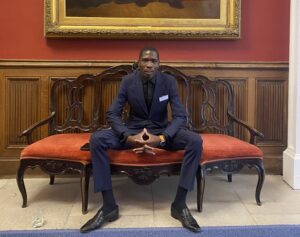
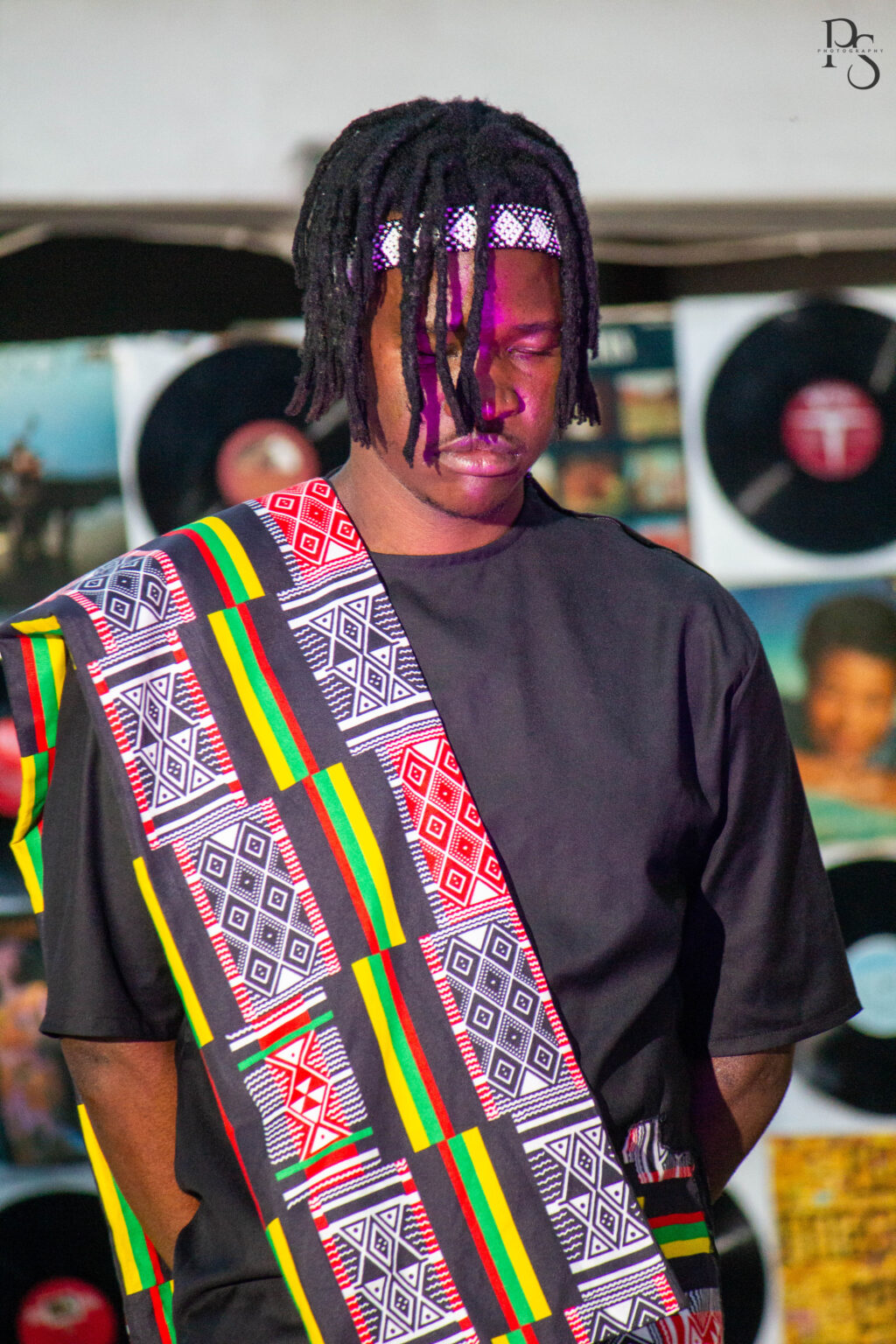
SD: Thank you! My name is Sondlane Dube, aka ‘Sox the Poet.’ I am a spoken word artist based in Bulawayo, Zimbabwe. I’m an ecosystem developer in entrepreneurship and the creative arts. I am the founder of Wecre8te Afrika, a creative hub empowering poets and artists in creative enterprising, performance, and leadership.
OS: It’s great to have you tonight! When did you start writing and reciting poems, and what inspired you to begin?
SD: I started writing poetry in high school, but I only honed my skills and joined the mainstream poetry scene in 2017. However, I began reciting poetry even earlier, before Grade One, with a piece called ‘Of Studies’.
What really inspired me is understanding the power of words to change lives, narratives, and make the world a better place, full of love, understanding, and compassion and of course the fact that there are so many stories out there that need to be shared.
OS: Wow! Starting to recite poetry before Grade One is impressive.
You are using your words to spread love, understanding, compassion and to amplify stories that need to be heard. That’s truly powerful.
Where do you get your ideas from when writing poetry?
SD: I get my ideas from conversations, things I read, people I meet, what I observe, and my own convictions and beliefs.
OS: That’s a rich mix of influences! It’s great that you are observant and reflective, using those experiences to fuel your creativity. Moving on; how has your poetry addressed the issues of early and child marriages, drug and substance abuse?
SD: I have not written extensively on child marriages, but I acknowledge the pandemic of child marriages, particularly in Matabeleland South and Matabeleland North, more needs to be done to educate, prevent, and prosecute cases where young people are being exploited.
Regarding drugs and substance abuse, I’ve done work on this issue, especially in 2020 during the pandemic, when there was a surge in substance abuse and mental health challenges. I wrote about the subject and currently I am working on a community project under Rotary Club of Matopos to address the adverse effects of drugs and substance abuse.
OS: Thank you Sox! That’s fantastic! Child marriages are a significant issue, education and prevention are key. Your voice as a poet and advocate can help raise awareness about this issue. Have you considered using your platform to shed more light on this topic and inspire action?
SD: In my personal capacity, no! I think every man must choose his fight and this is not the fight for me, at least not through creativity. I think this should be addressed at policy level and not in isolation with issues of marginalization, economic challenges and safeguarding.
I however mentor young poets and I think this is something they would be eager to take up and lead effectively.
OS: Thanks for that, Kuyabongeka! Moving forward; What is the difference between reciting or writing for young people and adults?
SD: I don’t think there’s an age-related difference in writing poetry, but people with more life experiences tend to write better. Reading also helps and sets the balance. Readers are better writers.
OS: Interesting! Have seen you using music and dancing in your poetry. Why is this important compared to the traditional way of reciting lines alone?
SD: It’s a way to spice up poetry. No matter how nice something is, if delivered the same way, it gets redundant and boring. So, cross-genre collaboration is our Kama Sutra.
OS: That’s a fresh spin to poetry. My next question – do you have a favourite poem you’ve written for children or young people? Can you share a few lines with us?
SD: Born free is my favourite:
We were born free only to claim that we are born free,
Our oppression goes deeper than the Mariana Trench,
Our black Judas, was talk to kiss deeper than the French,
His betrayal has made it so hard
for our generation to ascend and claim space at the top,
We are free not to lead but to support
Not to command but to report,
Neither to protest nor to boycott,
Our lives are good for recreation, art and sport,
Play the game well and disappear like a spot….
OS: Wow, Sox, this is a powerful piece! The reference to black Judas is striking, highlighting the pain of internalized betrayal. What advice would you give to a young person who wants to become a poet? Is it something one can live on or it’s just a hobby?
SD: Every opportunity local and international I have had, everything I am, including my university education, has been influenced by poetry. So yes, if done well, like anything really, livelihoods can be improved through poetry, and it can be a fulfilling and successful way of life.
So, my advice is the writer must write, and the performer must perform. Find ways to make your voice heard. The space needs disruption.
OS: Thank you! Have noted that poetry has been a driving force in your life. It is amazing how it has opened doors and shaped your experiences and your passion for poetry has clearly taken you far, from local to international opportunities.
SD: Yes, it had been.
OS: Thank you so much Sondlane for sharing your valuable insights and expertise with us today. Your passion for poetry and its impact on your life and community is truly inspiring. We appreciate the time you took to share your thoughts and experiences with us.
SD: You are welcome! I also want to thank The Besana Mail for this platform and opportunity.