Photo Credit - David Kenneth
Onita Sibanda (OS) hosts Princess Thandeka Tshuma (PTT) to talk about storytelling and discuss its importance in youth empowerment and bringing social change.
OS: I am joined by Princess Thandeka Tshuma, who will share her expertise on the power of storytelling in youth empowerment and social change. Welcome to the show Princess! May you kindly introduce yourself?
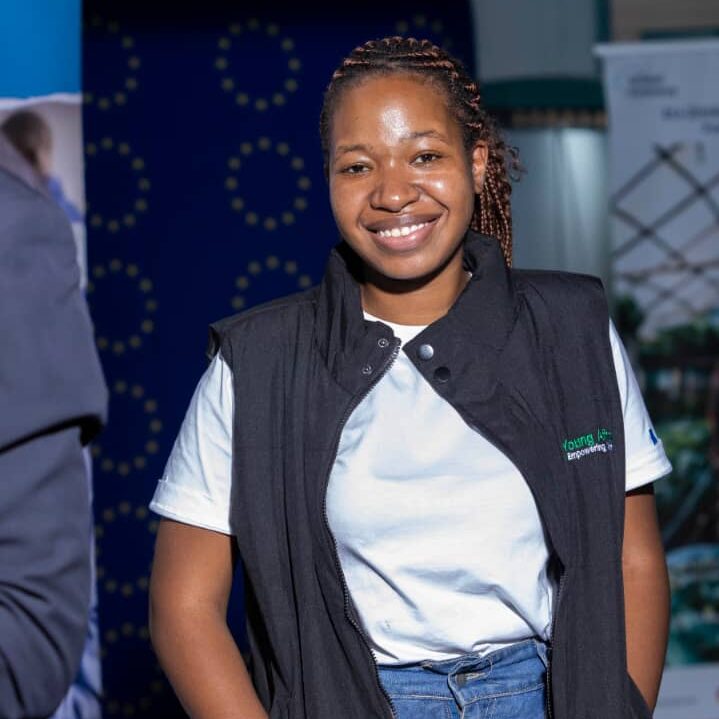
PTT: My name is Princess Thandeka Tshuma. I am a communications specialist and passionate about storytelling. l hold a degree in Media and Society Studies from Midlands State University. l am an alumni of Accountability Lab’s Film fellowship (2022) and We The Future program at CITE (2023). Currently l work as Communications Officer at Young Africa Zimbabwe where l use storytelling to amplify the voices of young people transforming their lives through vocational training, entrepreneurship and life skills.
OS: Thank you Princess! We are happy to have you tonight. My first question is;
What first inspired you to use storytelling as a tool for youth empowerment, and how has that evolved over time?
PTT: Since growing up l have always believed stories have power not just to inform but to transform. l was drawn to stories of resilience and youth led change, especially in underserved communities. Overtime, l have seen how a single story captured through photography, video or writing can inspire action, challenge stigma and connect funders or policy makers to real grass roots needs.
Story telling has evolved from simply raising awareness to becoming a strategic tool in advocacy and empowerment.
OS: This is truly inspiring! Keep using your skills to tell impactful stories that drive positive change! What’s the first thing you notice when you walk into a community working with vulnerable youth? What tells you change is possible?
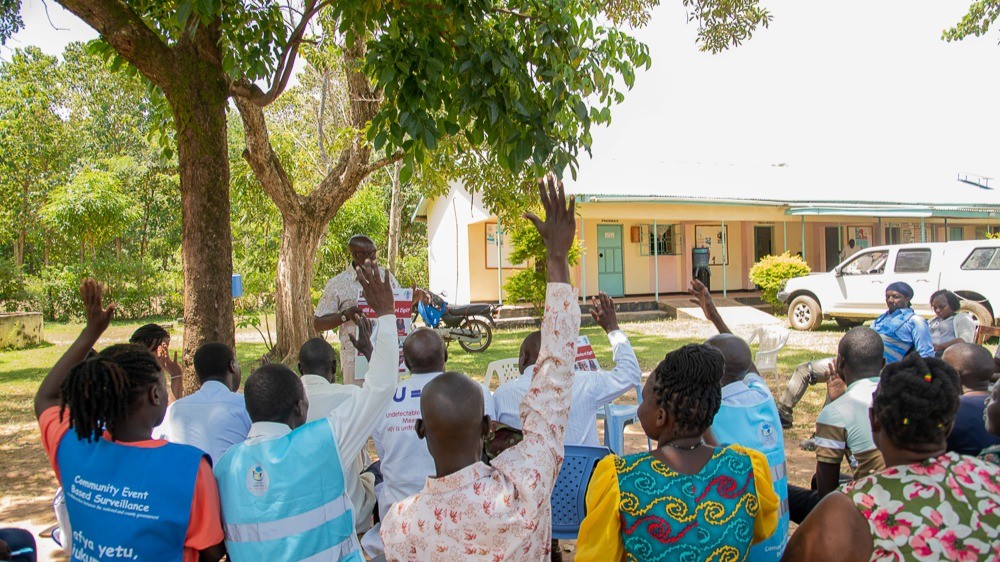
PTT: I notice the energy in their eyes, the curiosity and the passion to learn even if their circumstances are tough. What tells me change is possible is when a young person shows up consistently, asks questions and begin to imagine a future beyond survival. It’s in their willingness to try, trust and to transform that l see hope.
OS: Thank you Princes! I believe your approach likely creates a supportive environment where they feel encouraged to grow, explore, and envision a brighter future. Keep up the good work. In your experience, what do young people say they really need, versus what adults or institutions often assume they need?
PTT: So I’ve been working with young people for quite some time now, and one thing that I’ve realized is young people often say they need safe spaces, someone to believe in them, and practical opportunities to just prove themselves. But as institutions, we tend to focus only on top down solutions, like just giving them information or resources without first listening. So, I can say the biggest gap is voice. Young people want to create solutions, not just to receive them.
OS: Can you share a story of a young person whose transformation deeply moved you, and what made it stand out?
PTT: There’s quite a lot of them actually but l will just share one story of Nobuhle. Nobuhle Banda, a young woman who joined Young Africa with just three O-Levels and no direction. Through our Nurse Aid course, she transformed not only her career but her self-esteem. Today she supports her family, mentoring her peers, and dreams of becoming a full nurse. What moved me was her honesty she didn’t just gain skills; she reclaimed her confidence.
OS: It’s amazing to see how the Nurse Aid course at Young Africa helped her transform not just her career prospects but also her self-esteem. What impact have you seen when a community hears or sees these stories of change? Does it influence policies or perceptions?
PTT: Absolutely! Stories humanize statistics. When a policymaker sees a video of a young person rising from addiction or early motherhood to become a business owner, it shifts perception. We’ve seen communities start to support vocational programs more, and stakeholders begin asking how they can help scale these stories into systems change.
OS: That’s so true! Stories have the power to humanize statistics and make issues more relatable and tangible. What are the most common barriers young people face on the path to self-reliance, and how do your programs help dismantle them?
PTT: Barriers include lack of access to education, unemployment, stigma, and gender inequality. At Young Africa, we respond with hands-on training, psychosocial support, entrepreneurship mentorship, and life skills education. It’s about treating the whole person not just the skill set.
OS: Thank you Princess! In what ways do life skills like confidence, communication, or resilience make a difference in how these young people navigate their futures?
PTT: Life skills are often the secret weapon. A young person with confidence can ace an interview. With communication, they can market their business. With resilience, they can bounce back from setbacks. We’ve seen youth with fewer academic qualifications succeed simply because they believed in themselves.
OS: Life skills are indeed a secret weapon! If you could amplify one message to governments, funders, or the media about youth potential, what would it be?
PTT: Invest in youth leadership, not just youth participation. Young people are not the leaders of tomorrow they are leaders now. Give them tools, trust, and platforms, and they will transform their communities beyond what policy alone can do.
OS: Profound! Investing in youth leadership is crucial for unlocking the potential of young people and enabling them to drive meaningful change in their communities.
PTT: Indeed
OS: How best a media house like The Besana Mail work with change makers like you to amplify the voices of young people?
PTT: By co-creating platforms that let young people tell their own stories. Maybe partner with youth organisations to highlight community heroes, publish youth led investigations and include youth voices in editorial decisions. Let’s go beyond reporting and into collaboration!
OS: What are your last words?
PTT: My last words would be, to every young person listening, your story matters. Don’t let your past define your future. And to those in positions of power, listen, partner, and walk alongside youth. The change we seek is already within them. Thank you!
OS: Thank you so much Princess for sharing your valuable insights and expertise with us today. Your contributions to this important conversation been truly enlightening. It was an honour to have you tonight.
PTT: It was truly an honour to be part of such a meaningful platform. I’m grateful for the chance to share and connect on issues so close to my heart. Keep up the amazing work at The Besana Mail your efforts are making a real difference in amplifying the voices that matter most.
Let’s keep the conversation going!