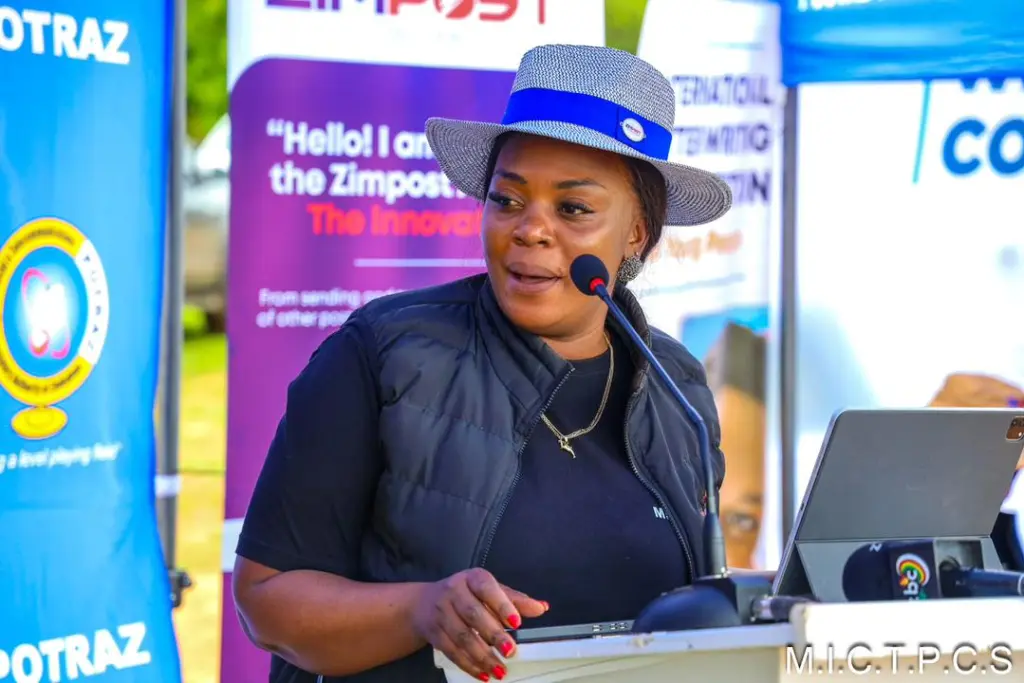
Speaking in Karoi, the Minister of ICT, Postal and Courier Service, Tatenda Mavetera said the government is proposing a policy that could restrict minors under the age of 18 from accessing certain social media platforms, including Facebook, TikTok, and Instagram, as authorities intensify efforts to protect children from online risks.
Speaking at the graduation ceremony for digital skills students, the minister said the proposed measures are part of a broader government initiative to create a safer digital environment for young people. She said this will address growing concerns about the impact of social media on children.
“We are working on a policy framework that will guide how young people interact with digital platforms,” Mavetera said during the engagement. “Our goal is to protect children from harmful online content and ensure that the digital space is safe for them.”
The proposed policy would potentially limit access to some of the world’s most widely used social media platforms for individuals under the age of 18. Platforms such as Facebook, TikTok and Instagram have become popular among Zimbabwe’s youth, who increasingly rely on them for communication, entertainment, education and self-expression.
Authorities say the rapid growth of social media usage among minors has also raised serious concerns about exposure to cyberbullying, harmful content, online exploitation and misinformation.
Zimbabwe’s push to regulate children’s access to social media reflects a broader global debate about how governments should manage the digital lives of young people.
In recent years, policymakers, educators and parents have raised alarms about the potential dangers of social media, particularly for teenagers and younger users who may lack the digital literacy skills needed to navigate online spaces safely.
Minister Mavetera said the government’s policy initiative is intended to strike a balance between allowing young people to benefit from digital technology while protecting them from potential harm.
“Children must be able to access information and digital opportunities, but at the same time we must put safeguards in place,” she said. “We cannot ignore the risks that exist online.”
The minister added that the proposed policy is still under development and would involve consultations with various stakeholders, including educators, parents, digital rights experts and technology companies.
Zimbabwe has witnessed a sharp rise in internet penetration and smartphone usage over the past decade, particularly among young people.
Social media platforms such as Facebook, TikTok and Instagram, for many teenagers have become essential parts of daily life. Students often use these platforms to share content, build online communities, follow trends and access information.
However, experts warn that unrestricted access to social media can also expose young users to harmful material or dangerous online interactions.
“Cases of cyberbullying, online harassment and digital scams have become more common globally, prompting governments in several countries to consider regulations aimed at protecting minors,” said Charles Mpala, a child rights activist.
While details of the proposed restrictions remain unclear, officials say the government is exploring mechanisms that could prevent underage users from accessing certain platforms without parental oversight.
One possible approach could involve stronger age verification systems or restrictions on account creation for minors. Technology analysts note that many social media platforms already have minimum age requirements, typically set at 13 years, but enforcement remains inconsistent.
“The proposed policy will help reduce these risks while encouraging responsible use of digital technology,” said Garikai Makuni, a data protection expert running a tech services consultancy company.
Millions of children around the world continue to use social media platforms despite official age restrictions.
Some parents have welcomed the idea, arguing that stronger controls are necessary to shield children from harmful online content and addictive digital behaviour.
“Children today spend too much time on their phones and social media,” said Chido Musamba, a parent in Chinhoyi. “If there are measures to protect them, I think it’s something worth considering.”
Others, however, warn that outright restrictions could limit young people’s access to information, educational resources and digital opportunities.
“Instead of banning minors from social media, governments should focus on improving digital literacy and teaching children how to navigate online spaces responsibly,” said Memory Chera, another parent.
Advocates weighed in, saying, the challenge for policymakers will be balancing the need to protect minors with the need to preserve access to digital learning and innovation. Social media platforms can play a significant role in education, creativity and entrepreneurship for young people.
In Zimbabwe, many young creators and small businesses use platforms like TikTok and Instagram to reach audiences, promote products and build careers.
If adopted, the policy could place Zimbabwe among a growing number of countries exploring stricter controls on children’s online activity.