Benson Kanyembo
They risk their lives daily to protect wildlife and ecosystems vital to us all. But until Africa’s rangers are treated as true professionals, the fight against extinction remains on fragile ground.
Benson Kanyembo
When people ask me what it means to be a ranger in Africa today, I tell them this: we are the thin, unwavering line between survival and extinction. From the misty forests of the Congo Basin to the sun-scorched plains of Kenya, rangers are the guardians of elephants, lions, rhinos, and countless other species. We protect the landscapes that feed communities, secure water sources, and regulate the climate for all life on Earth.
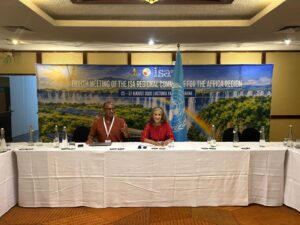
At the 2025 African Ranger Congress, held recently in Kenya, discussions focused on a truth that can no longer be ignored: if we want to protect nature at scale, we must professionalise the ranger workforce. Not tomorrow. Today.
For too long, this role has been treated as peripheral – underpaid, under-equipped, and dangerously under-protected. Across Africa, rangers still patrol without life insurance, without health coverage, and often without the training or gear they need to survive. In 2023, our continent recorded the second-highest number of ranger fatalities globally. Nearly half were rangers killed in the line of duty.
This is not acceptable. If the world is serious about protecting 30% of the planet’s land and waters by 2030, then rangering must become a profession that young people aspire to join and can sustain as a lifelong career.
Today, Africa employs roughly 65,000 rangers, 59,000 on land and 6,000 in marine areas. Experts estimate we need nearly four times that number. Globally, 1.5 million rangers will be required to meet international biodiversity targets. Yet recruitment remains dangerously low. Why? Because the job, as it stands, is not attractive enough. Rangers face extreme personal risk while their families live one accident or illness away from destitution. Too few receive consistent training or recognition. Too many feel invisible.
We know what must change. We must embed standards, protections, and recognition across the entire sector, so that rangering is not a last resort, but a first choice.
One promising step forward is the Ranger Welfare and Standards Initiative (RWSI), launched in 2024 by Tusk and the Game Rangers Association of Africa. It tackles the core barriers to making rangering a viable career: insurance, welfare, training, and leadership.
Its flagship programme, RangerProtect, now covers over 6,000 rangers with affordable insurance, providing medical evacuation, accident, and disability protection. Subsidised in its early years, it allows conservation organisations to gradually adopt it into their budgets. But RWSI goes further. It commits employers to fair pay, safe working conditions, and professional development through a Ranger Welfare Pledge. On-site assessments help close gaps in standards, while a leadership council and mentorship programme build skills and confidence across the workforce.
This is not just policy: it’s a blueprint for transformation.
Professionalisation matters because words shape reality. When young Africans see rangers treated with dignity – paid fairly, insured, trained, and respected – they will see a career worth committing to. When governments and communities recognise rangering as a professional calling, recruitment will rise, retention will improve, and conservation will be secured for future generations.
Professionalisation also drives better conservation outcomes. A ranger who is trained, insured, and supported is more effective on patrol, more confident in their decisions, and better able to engage with local communities. By contrast, a ranger who is exhausted, fearful, or poorly equipped cannot be expected to perform nearly as well.
The RWSI is only the beginning. No single organisation can transform the sector alone. Governments must adopt minimum welfare standards as policy. NGOs and conservation groups must embed insurance and fair pay into their budgets. Donors must understand that investing in ranger welfare is not a luxury but part of the foundation of biodiversity protection. And insurance providers must continue to innovate to reach even the most remote areas.
We must also address practical barriers: continent-wide emergency response systems, official ranger IDs to enable cross-border medical care, and ensuring every ranger has the tools to do their job safely and well. The African Ranger Congress was the ideal forum for governments, NGOs, and private partners to align around these priorities and commit to collective action.
I have served as a ranger for over two decades. I have buried friends lost to poachers’ bullets and preventable illness. I have seen families left with nothing when their loved one and breadwinner never came home. But I have also seen the pride in the eyes of young recruits, the gratitude of local communities, and the quiet resilience of colleagues who refuse to give up.
If we can professionalize this career – through insurance, training, welfare standards, and recognition -we can close the massive gap in ranger numbers. We can offer young Africans a pathway to meaningful work that protects our shared future. And we can finally give rangers the dignity, protection, and respect that their sacrifices have always deserved.
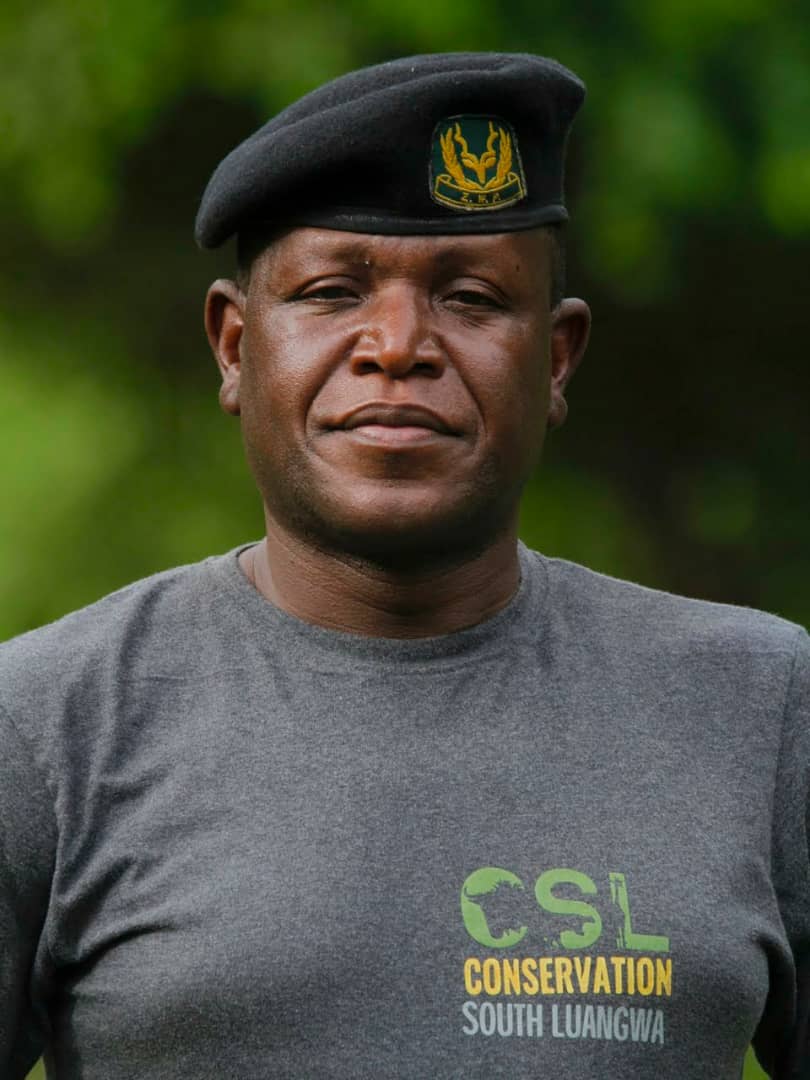
The views expressed in this article are the author’s own and do not necessarily reflect the editorial stance of The Besana Mail. Benson Kanyembo is Law Enforcement Advisor for Conservation South Luangwa in Zambia