Photo Credit - Tusk
Africa’s biggest annual event honouring wildlife rangers has crossed a major fundraising milestone, raising more than $25 million since its launch during the COVID-19 pandemic. But conservation groups say the achievement also highlights a much larger problem. The continent still has only about one-fifth of the rangers needed to protect its wildlife and protected areas.
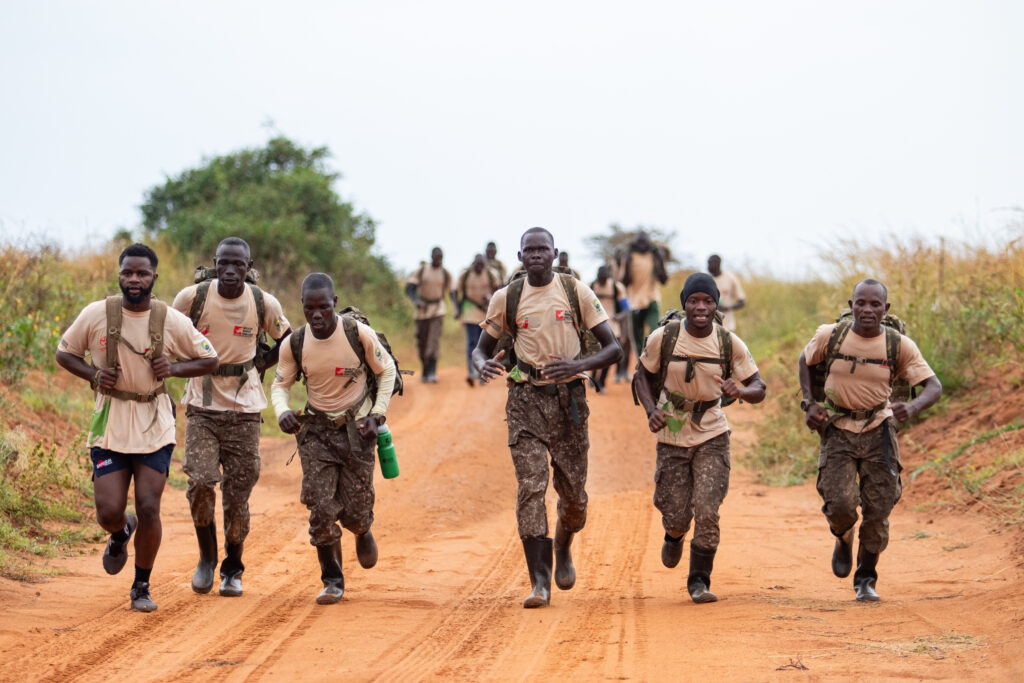
The seventh Wildlife Ranger Challenge officially launched Monday, bringing together ranger teams from across Africa for two months of physical and mental competitions before thousands of participants take part in a 21-kilometer race across protected areas in September.
Organisers expect more than 2,000 rangers from over 150 teams in more than 20 African countries to participate in this year’s challenge, which has grown from an emergency fundraising initiative into the continent’s largest annual campaign dedicated to wildlife rangers.
The event is jointly organized by conservation charity Tusk and the Game Rangers Association of Africa (GRAA). The organisers said the campaign has become an important source of funding for ranger welfare, training and equipment while raising the profile of one of conservation’s least recognised professions.
Yet despite the fundraising success, the organisations warn that Africa’s conservation workforce remains critically understaffed.
Tusk estimates there are about 65,000 terrestrial and marine rangers currently working across Africa. To effectively manage the continent’s protected and conserved areas, however, around 345,000 rangers are needed.
The shortfall comes as rangers face increasingly complex threats.
Beyond combating poaching, ranger teams are now confronting organised wildlife crime, armed groups operating in and around protected areas, expanding human settlement, illegal resource extraction and the growing effects of climate change on ecosystems.
Many continue to patrol vast landscapes with limited equipment, inadequate training, and little or no insurance.
“Reaching $25 million is an extraordinary achievement and a tribute to thousands of people who have backed wildlife rangers over the past six years,” Charlie Mayhew, Tusk’s president and chief executive officer, said in a statement.
“But it should not leave us thinking the job is done,” he added. “Rangers remain one of conservation’s most under-recognised workforces. Every day they protect wildlife, support local communities, respond to emergencies, and help safeguard landscapes that benefit us all. The Wildlife Ranger Challenge exists because they deserve greater investment, greater recognition, and greater support.”
The Wildlife Ranger Challenge was launched in 2020 when the COVID-19 pandemic disrupted tourism across Africa, cutting off a critical source of revenue for many protected areas and threatening the livelihoods of thousands of rangers.
Rather than suspend operations, conservation organisations created the challenge to generate international support for ranger teams whose work continued despite the collapse of tourism. Six years later, organizers say the campaign has become far more than a fundraiser. It has helped improve working conditions for rangers and inspired wider reforms in the profession.
One outcome has been the Ranger Welfare Standards Initiative, launched in 2024 to improve working conditions for frontline conservation staff. According to Tusk, the initiative has already enabled nearly 6,300 rangers to obtain insurance cover, with a target of reaching 10,000 by 2030.
For Louise de Bruin, chief executive officer of the Game Rangers Association of Africa, the campaign is as much about recognition as it is about fundraising.
“Rangers don’t ask for recognition, they simply get on with their work as essential planetary health workers, protecting nature and ecosystems, often in incredibly challenging circumstances,” she said.
“The Wildlife Ranger Challenge is an opportunity for the world to stand in solidarity with Africa’s rangers, investing in their safety, wellbeing and future, and ensuring they have the protection and support they deserve.”
The image of a ranger pursuing poachers represents only part of today’s job.
Modern ranger work includes monitoring biodiversity, collecting scientific data, responding to wildlife emergencies, educating communities, reducing conflict between people and wildlife. This is assisting researchers and helping maintain security in some of Africa’s most remote landscapes. Many also work closely with communities living alongside wildlife, helping reduce crop damage, responding to dangerous animal encounters and supporting conservation-based livelihoods.
Participants in this year’s Wildlife Ranger Challenge will spend the next two months completing quizzes, fitness competitions and team-based challenges before the campaign concludes Sept. 19, when ranger teams across Africa will simultaneously complete a 21-kilometer race carrying operational equipment.
The race is designed to reflect the physical demands of the profession while drawing attention to the realities of ranger work. For many participants, the event is also a chance to tell the world what conservation looks like on the ground.
Pius Mutuma Mbiria of Kenya’s Mount Kenya Trust said rangers perform work that few people fully understand.
“Rangers carry out important work conserving ecosystems and wildlife,” Mbiria said. “Not everyone can do this work, as it comes with many challenges and risks.”
He said supporting rangers means conservation teams can protect ecosystems that communities depend on while remaining motivated despite difficult working conditions.
Cristian Kapugi, a village game scout working with Honeyguide in Tanzania’s Waga Wildlife Management Area, said the challenge reflects the endurance required by conservation work.
“I am taking part in the Wildlife Ranger Challenge because it is an opportunity to show my commitment to protecting wildlife,” Kapugi said.
“The Challenge tests us physically and mentally, and it reminds people that conservation work requires endurance, courage and discipline. As a ranger, I am proud to play a role in protecting wildlife and our natural heritage so that future generations can continue to see and benefit from it.”
The campaign has attracted support from donors, foundations and corporate partners around the world. Founding donor Mark Scheinberg is once again match-funding up to $1 million raised through the challenge. Other supporters include the Disney Conservation Fund, EJF Philanthropies and Defender.
Organisers say every dollar raised goes directly to participating ranger organizations to improve welfare, purchase equipment, strengthen training and invest in technology that helps protect wildlife and the communities living alongside it.