Photo Credit - UNICEF
More than 23 million additional children could be pushed into monetary poverty by the end of 2026 as the economic effects of escalating conflict in the Middle East spread beyond the region, driving up food and energy prices and worsening inequality, a new UNICEF analysis has warned.
The report, titled The Impact of the War in the Middle East on Children in Monetarily Poor Households, estimates that between 18.3 million and 23.4 million children could fall into poverty under two possible scenarios, depending on the duration and severity of economic disruptions linked to the conflict.
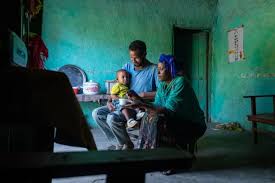
UNICEF said the crisis is threatening to reverse years of progress in reducing child poverty, with the poorest households expected to suffer the greatest impact as rising costs make basic needs such as food, education and healthcare increasingly unaffordable.
“Children are paying the price for the escalating conflict in the Middle East, including children far beyond the region,” said UNICEF Executive Director Catherine Russell.
“The longer this continues, the worse the consequences will be. Rapidly rising costs are making food and education unaffordable for many families. For children already living in poverty, these shocks deepen deprivation and can cause harm that lasts a lifetime.”
The analysis draws on data from more than 167 countries and examines how conflict-related economic shocks, including increased food and energy prices and disruptions to global trade routes, are affecting household purchasing power.
UNICEF said disruptions linked to the closure of the Strait of Hormuz, a key global shipping route for energy supplies, have contributed to higher fuel costs, increasing pressure on families already struggling with poverty.
The agency warned that children are particularly vulnerable because household economic shocks often translate directly into reduced access to nutritious food, healthcare, education and protection services.
The report examined two possible outcomes.
Under an adverse scenario, which assumes a moderate economic shock, an additional 18.3 million children could fall into monetary poverty.
Under a severe scenario involving longer and more damaging disruptions to prices and economic activity, UNICEF estimates that up to 23.4 million additional children could be pushed into poverty.
The agency measures poverty using international poverty lines based on daily household income levels of US$3 and US$4.20 per person per day, depending on country income classifications.
UNICEF said the impact of the crisis is expected to be most severe in Africa and Asia, which together account for around 80 percent of the projected increase in child poverty.
Both regions already face high levels of poverty and are particularly vulnerable to external economic shocks, including rising fuel costs, food inflation and disruptions to humanitarian assistance. In Somalia, the effects of the Middle East crisis have already been felt through increased fuel prices.
UNICEF reported that fuel prices in Mogadishu more than doubled within days of the escalation, increasing the cost of food, water, transport and humanitarian operations as the country continues to face a severe malnutrition crisis.
For families already struggling to feed children, higher transport and food costs create additional pressure on household budgets.
In Ethiopia, disruptions linked to the Strait of Hormuz have also affected fuel prices and humanitarian operations.
The report found that diesel prices increased by 31 percent, while humanitarian fuel costs rose by between 50 and 70 percent, making it more expensive and difficult to deliver assistance to communities in remote areas.
Nigeria has also experienced economic pressure from rising costs.
UNICEF said low-income households in the country spend between 60 and 70 percent of their income on food and transport, meaning even small increases in prices can significantly reduce their ability to afford essential goods.
In Bangladesh, rising prices of staple foods, including rice, lentils, cooking oil, vegetables and fish, are placing increasing pressure on families.
The report estimates that around 1.2 million additional people could fall into poverty because of worsening economic conditions. UNICEF warned that the consequences of the crisis could extend beyond immediate financial hardship.
The agency said poverty during childhood can have long-term effects on physical development, learning outcomes and future economic opportunities. Children growing up in poor households are more likely to experience malnutrition, miss school and lose access to essential services, increasing inequality across generations.
The report cautioned that without urgent intervention, the combined effects of conflict, inflation and economic instability could undo development gains achieved over many years.
UNICEF is calling on governments, donors and international financial institutions to strengthen protections for children and vulnerable families.
The agency urged countries to safeguard funding for essential services, including healthcare, nutrition programmes, education and child protection. It also called for expanded social protection programmes, including child-sensitive cash transfers, to help families cope with rising living costs.
UNICEF said governments should ensure that support systems remain in place before removing subsidies and should protect access to essential goods and services as inflation increases. It is also urging international financial institutions to help countries facing severe economic pressure by expanding fiscal space, including through debt restructuring or suspension where debt repayments are limiting spending on health, education and social protection.
UNICEF said future crises will continue to affect children unless countries invest in stronger safety nets and early warning systems.
“This crisis is putting the lives and futures of children at risk,” Russell said.
“If the world fails to act swiftly, the combined effects of conflict, economic instability and rising costs will push millions of children into deeper poverty. We could see hard-earned development gains unravel.”
While the Middle East conflict is the immediate trigger of the latest economic shock, UNICEF said its consequences demonstrate how interconnected global crises have become.