With 67.4% literacy rate in Africa, the country is in top 5 most literate countries at 89,8%, yet educational inequality is rife. Extra lessons and the rise in private schools continue to differentiate the have and have – not in Zimbabwe.
Onita Sibanda and Calvin Manika
The most exciting holiday in Zimbabwe is here, Yes! Schools are closed and children are on vacation, but not all.
As the country celebrated the Heroes and Defence Forces days, displays will continue at the Zimbabwe Agricultural Show. With scores of children going to the rural and vice versa, others remain stack in their usual places, home and classes. This is the last schools holiday before the final year examinations – performance measurement by the Zimbabwe School Examination Council (ZIMSEC).
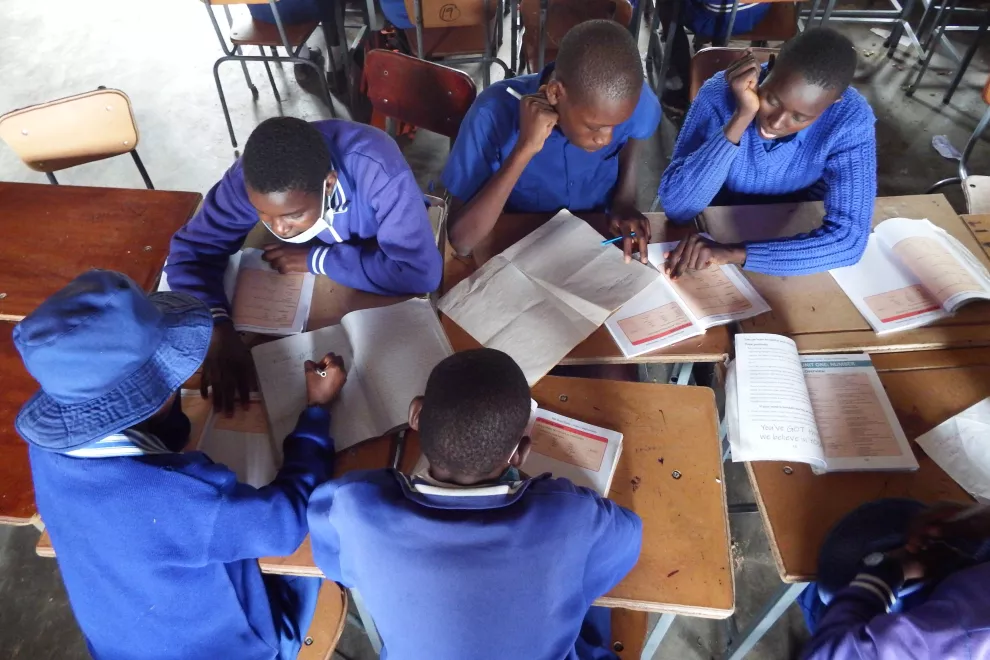
Prior to the closing of schools, the Ministry of Primary and Secondary Education approved holiday lessons for examination classes. The decision sparked debates among parents. While some see it as a necessary measure to support students, others argue that it perpetuates inequality and puts a burden on already overworked teachers.
But, if teachers get something from the paid sum, health or money? The later is a temptation.
Proponents of extra lessons argue that, they provide additional support to students who may be struggling with certain subjects or concepts. They also believe that, it helps to balance study and relaxation, as students can use the holidays to catch up on their studies at a more relaxed pace.
“Extra lessons are really helpful. But it is difficult for those who cannot afford them. You find that those who really need extra lessons are also financially incapacitated,” said Mrs Jessie Ngwenya, a parent.
Critics argue that extra lessons are a money-making scheme for teachers and schools, which can exacerbate existing inequalities. Most schools in urban areas have been conducting extra lessons, even now, against the directive from the ministry which banned the activity.
Besides bribes, right! It exposes teachers’ incompetence, according to one parent.
“Extra lessons means that the teachers were not able to do their duties in time. In teaching industry, they are schemes of work. It means they plan what they will teach the whole term. On their schemes they valuate every student’s performance and act to it. So, in terms of extra lessons, l think they shouldn’t be there if they are doing their duties well.”
Extra time!
“In soccer they call it injury time, in many industries, it’s called overtime. They fail to do the job, now they are doing it at their time. Let’s not also forget that those students come from families that plan their things. They have relatives that needs to be visited.”
Bernard Moyo, a children’s rights advocate posed a question, “So, if that time is taken away from them, how are they going to associate with family?”
Parents say, calling them extra lessons can be misleading. Not everyone is interested.
It is important to note that remedial lessons, which are meant to provide extra support to students who are struggling, are different from extra lessons, which are optional and may require payment. While remedial lessons are usually free of charge, extra lessons can be a source of income for teachers and schools.
“Remedial are for students who failed to catch up with the others so that they can be on the same page. Extra lessons simply mean extra income for teachers since the government is not paying much,” said another parent.
The debate on extra lessons during holidays is complex and multifaceted. While it is important to recognize the need for additional support for students, Onwell Sibanda, a parent said it is equally important to ensure that it is accessible and equitable for all.
“As the education sector continues to evolve, it’s crucial to prioritize equality, equity and inclusivity in all aspects of learning. Parents say extra lessons should not be paid for because some children are from poor families and cannot afford, so it means the poor will always remain poorer. I think the Government should create a more equitable environment. Education is for all,” remarked Sibanda.
The Ministry of Primary and Secondary Education approved holiday lessons for exam classes during the August holidays. The lessons will be conducted under the banner of Vacation School Sessions from August 19 to 30. The government has also emphasised transparency in managing the funds collected.