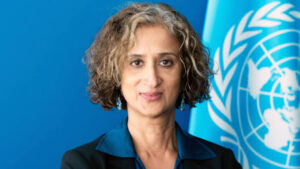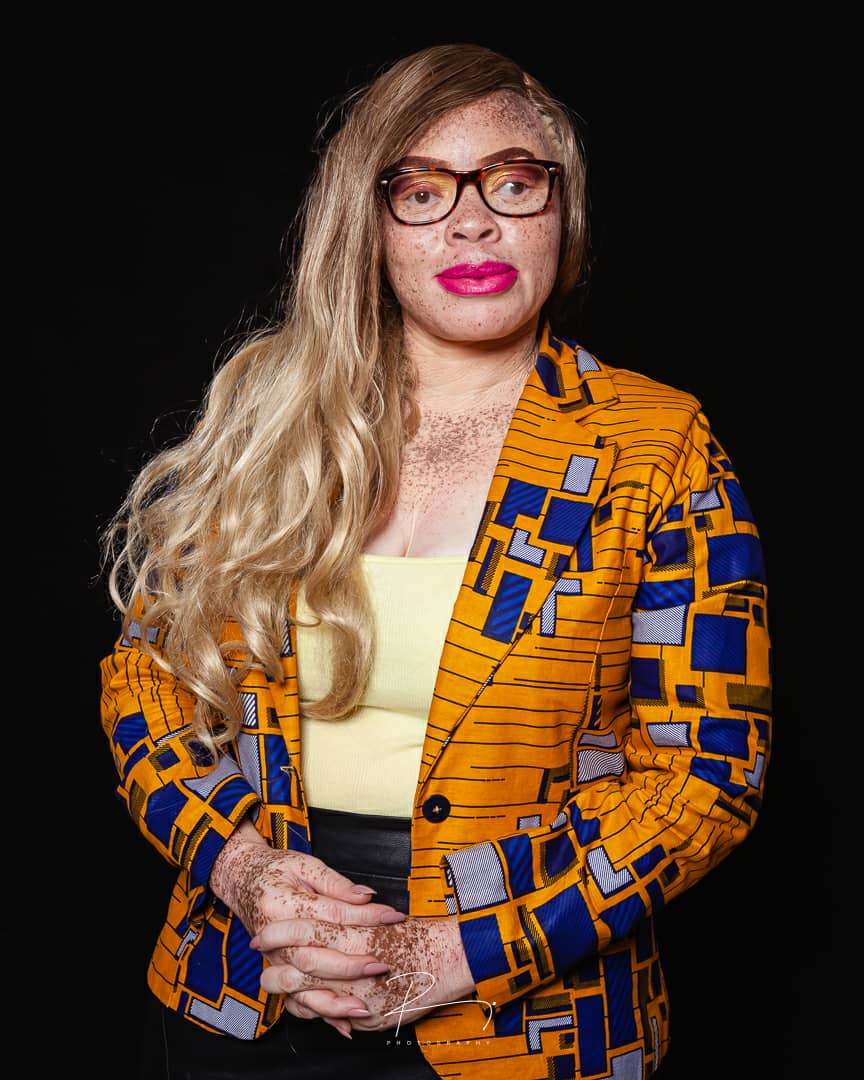
Gwenilisa Mushonga -Founder of Alive Albinism Initiative Trust
Unpacking realities of living with albinism
Albinism is a rare, non-contagious, genetically inherited condition which occurs worldwide regardless of ethnicity or gender. It most commonly results in the lack of melanin pigment in the hair, skin and eyes (oculocutaneous albinism), causing vulnerability to sun exposure.
Albinism continues to be gravely misunderstood on a social and medical level. People who have albinism frequently become the target of false beliefs and myths influenced by superstition because of their physical appearance, which encourages their marginalization, social exclusion, and violence against them.
Albinism-related violence and discrimination have been brought to the attention of the world community as a result of the appointment of an Independent Expert on the enjoyment of human rights by persons with albinism in 2015.
The United Nations expressed concern about the attacks on people with albinism, especially women and children, which are frequently committed with impunity, in the resolution that established the mandate of the Independent Expert.
Recognizing the need to increase awareness and understanding of the discrimination and stigma faced by persons with albinism, the United Nations General Assembly in resolution A/RES/69/170 in 2014, proclaimed 13 June as International Albinism Awareness Day. The Besana Mail Weekly Guest Show Host Onita Sibanda (OS) discusses albinism in Zimbabwe with Gwenilisa Mushonga (GM).
OS: Welcome to The Besana Mail Round Table Discussion, where we discuss issues affecting children in our communities. I am your host Onita Sibanda. Today we are joined by Ms Gwenilisa Mushonga. Our topic is – Unpacking realities of living with albinism.
Welcome Ms Mushonga, it is an honour to have you. Kindly introduce yourself and the organization you come from.
GM: Thank you Onita, my name is Gwen Mushonga. I am the founder of Alive Albinism Initiative Trust, an organization that looks out for persons with albinism in Zimbabwe.
OS: What is albinism?
GM: Albinism is a genetic or inherited condition, where one is born with little or no melanin production. Albinism is found in all races, plants and animals. However, albinism seems to be common in Africa or Zimbabwe because of our dark skin. Albinism lies in genes. It can start within anyone in the family even in cases where there is no known person with albinism in that family.
OS: Does your organization cover Matabeleland?
GM: Yes, we have membership across Zimbabwe and we do cover Matabeleland as well.
OS: Great! What’s your involvement in children’s matters around the Matabeleland region?
GM: Currently we have been able to provide a number of children with sunscreen lotions. We hope to do more in Matabeleland and the whole Zimbabwe. It is also important that when we have opportunities for example on women and youths, people with albinism must participate because there are also human beings with rights to participate at church, community and other societal activities regardless of albinism.
OS: What are the challenges faced by children living with albinism?
GM: Like all people with albinism, they face stigma and discrimination which is often caused by negative attitudes from the society. This leaves children with the condition being left out of societal activities and also limits their participation within their communities. Albinism comes with a lot of derogatory tags and names and this affects how then the child sees him or herself. This tend to lead to low self esteem and low self confidence in children with albinism.
OS: I believe this discussion will be of help especially to those with albinism who were seeking for help. What opportunities do you see as an organization yet people living with albinism don’t see them?
GM: You will never see or get opportunities that are only meant for people with albinism, so at our organization we always encourage our members to try and get out of their shells and grab every opportunity that comes their way. For example, there is a call or an opportunity for women or youths to participate in a certain program, we always encourage our members to take part in such.
OS: Does Zimbabwe have a national policy on people living with albinism?
GM: No! We do not have a national policy on albinism.
OS: What support do children living with Albinism require?
GM: The best form of support that children with albinism require is more love from their parents and families, love conquers all. I often tell people that I am who I am and where I am because of the love I was shown by my family and that helped me to grow into a confident and strong lady. If one is confident they are able to challenge the status quo and be able to shape their own future.
But also they need support through awareness activities (self awareness), this will help them to know more about their condition and how to manage it and it helps them with their confidence as well. They need to be taught or to be educated about their rights so that they are in a position to demand for equal treatment.
They also need support with securing proper education, this can be done by ensuring that they enrol in inclusive schools within their communities and making sure that they have information and textbooks accessible to them through large print textbooks or exam papers and assistive devices such as magnifiers and monocular that help to enhance their vision or eyesight as people with albinism tend to struggle with their eyesight.
OS: What interventions are you doing as an organization?
GM: I mentioned about lotions and empowerment. Interestingly we also do counselling and educate parents who give birth to children with albinism.
OS: Kindly share with us successes and challenges you are facing on those activities?
GM: As an organisation we feel that our success is seen when more people living with albinism challenge the status quo, become confident and comes out to speak their minds. This is reached when most of people start participate in communities and different spaces speaking up and knowing their rights. The challenges we face are hinged on resources, we cannot reach to everyone especially those in remote areas to implement programmes, sometimes we end up using our personal money. There is also lack of acceptance and stigma.
OS: Do you see media houses like The Besana Mail helping your organization to give a positive image of children living with albinism?
GM: Media plays a very important role in conveying important issues to the public. Yes; we see media houses such as The Besana Mail helping us to give a positive image for children with albinism. As an organization we appreciate all the help and assistance we receive from various media houses as they help us to raise awareness and tell our story as people with albinism.
OS: Your last words?
GM: To children with albinism I say, believe in yourself and let us change the narrative of being a charity case to successful and confident individuals and this can only be done through hard work and believe in yourself.
OS: Thank you so much for such an informative and educative session.
GM: To our dear brothers and sisters, lets embrace people with albinism and show them plenty of love and support. Thank you for having me.
More stories: https://thebesanamail.com/2023/07/15/the-greta-effect-and-role-of-children-in-the-climate-change-fight/