

Deputy Minister : Ministry of Finance, Economic Development and Investment Promotion - Hon. David Mnangagwa
UNICEF Zimbabwe and the Zimbabwe National Statistics Agency (ZIMSTAT) announced the rollout of the newly launched Provincial and District Data Profiles, from the extensive analysis of the 2022 Population and Housing Census. The rollout commenced with Manicaland during yesterday’s Independence celebrations and will continue with Bulawayo at next week’s upcoming Zimbabwe Trade Fair.
The production of the census district datasheets from the 2022 Population and Housing Census is part of the ongoing in-depth analysis of the census data. The census datasheet summarises provincial and district demographic, social, and economic characteristics of the areas that might require urgent attention at national and or subnational levels.
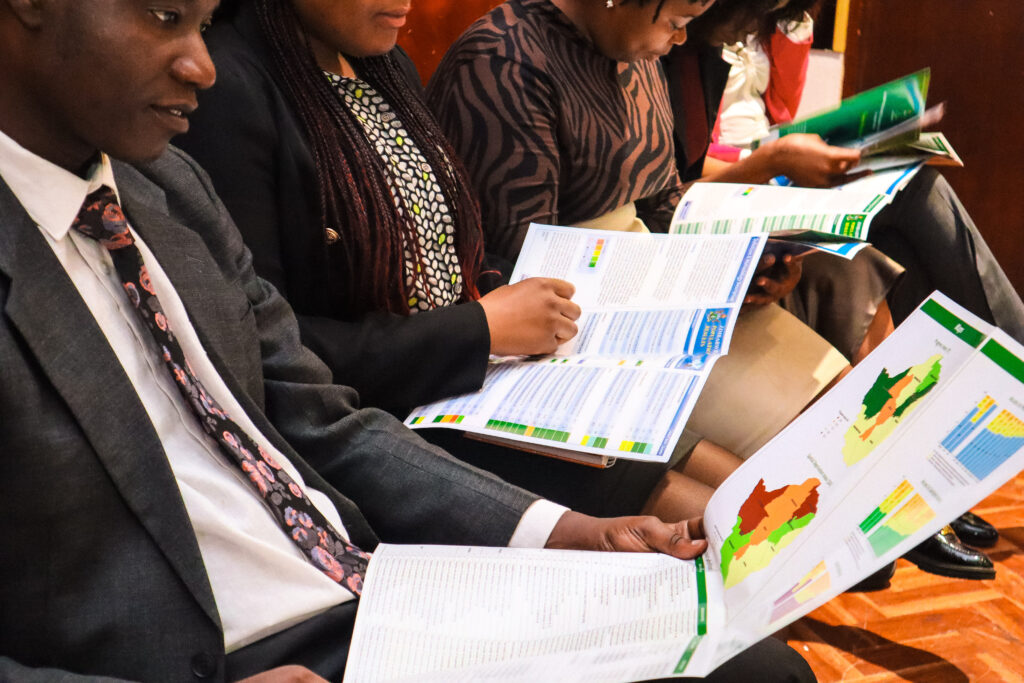
The production of the census district datasheets represents are a crucial aspect of the in-depth analysis of census data, providing a succinct summary of demographic, social, and economic characteristics at the provincial and district levels. Key stakeholders said, these profiles serve as invaluable resources, highlighting areas that may require urgent attention at both national and subnational levels, and are aligned with key national development frameworks such as the National Development Strategy 1 (NDS1), the Devolution Agenda, and Vision 2030.
At the launch, the Deputy Minister of Finance, David Mnangagwa, highlighted the importance of disseminating this critical data widely to enable key populations to use it for evidence-based decision-making.
“The dissemination of this information is of utmost importance as it empowers us with knowledge about our society, enabling evidence- based decision-making. It also allows us to identify trends, patterns, and disparities in various aspects of our population, such as demography, fertility, education, mortality, water, sanitation, and child protection,” said Mnangagwa.
The Deputy Minister said census is a public resource that should be accessible to all citizens, researchers, policymakers and organisations and collaboration.
“The census results belong to the people. They are a public resource that should be accessible to all citizens, researchers, policymakers, and organisations. We envision a transparent and dissemination process that encourages dialogue, collaboration, and informed discussions on matters that shape our nation’s future,” said Mnangagwa.
These data profiles help in better policy-making and programming, particularly in social sectors, that positively impact the lives of women and children in the country.
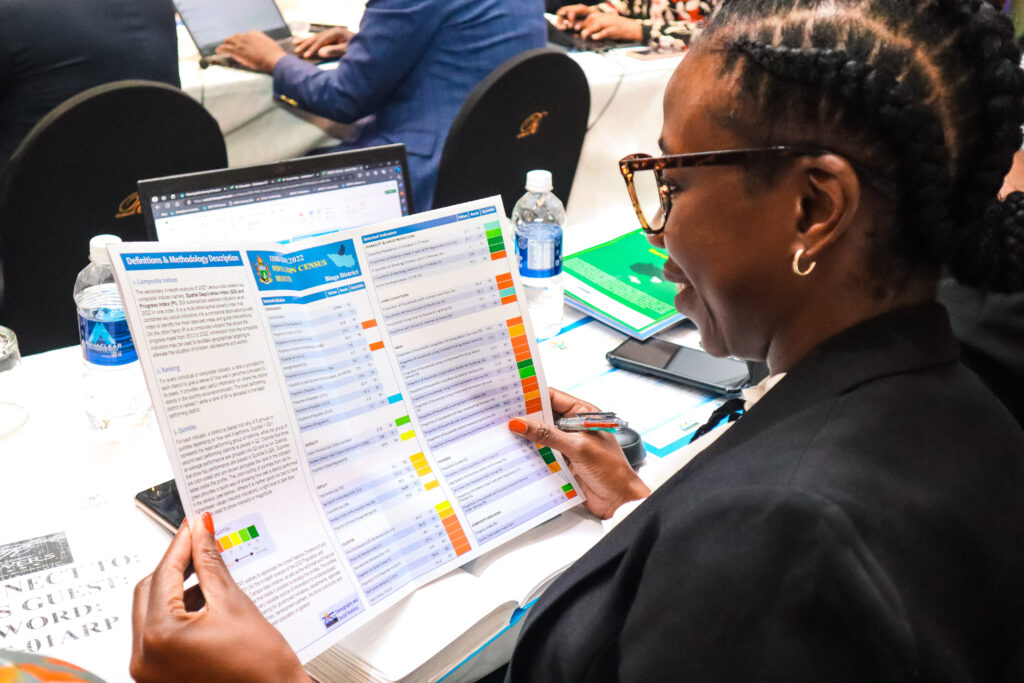
“The disaggregated insights in these data profiles enable us to pinpoint areas of greatest need, ensuring interventions have maximum impact,” said UNICEF Representative ad interim Dr Nicholas Alipui. “They illuminate equity gaps in education, health, nutrition, WASH, child protection, and social services, enabling targeted interventions to reach every child.”
“We are committed to ensuring that these data profiles serve as a cornerstone for evidence-based decision-making across government ministries, local authorities, development partners, and the broader Zimbabwean population,” remarked ZIMSTAT’s Acting Director General, Mr. Aluwisio Mukavhi. “Through tailored policies and interventions informed by this analysis, we anticipate tangible improvements in community well-being.”
UNICEF and ZIMSTAT will disseminate the data profiles across all ten provinces to ensure accessibility and usability.





The platform contains a great deal of valuable material.
Users may access in-depth articles on various subjects.
All information is presented in a user-friendly way.
This makes it a ideal place for people wanting insights.
https://www.gladaankan.com