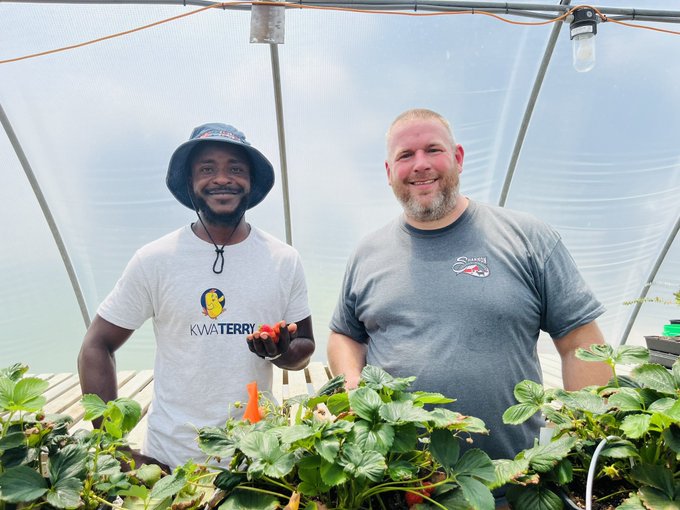
Terrance Maphosa (left) - CEO of KwaTerry Restaurant at Shannon Farm
Climate change is taking a severe toll on agriculture in Southern Africa, with rising temperatures, erratic rainfall, and frequent extreme weather events threatening food security and livelihoods. The Southern Africa U.S. Exchange Alumni Summit, held from February 26th to 28th, 2025, in Victoria Falls, Zimbabwe brought together agricultural entrepreneurs, climate advocates, and policymakers to discuss sustainable farming solutions for the region.
As the world grapples with climate change, food security, and environmental degradation, sustainable agriculture has emerged as a vital tool for ensuring a healthy and prosperous future. Akufuna Muyunda, climate resilience advocate and founder of Young Volunteers for Environment Zambia, emphasized the need to integrate cultural and traditional contexts into climate-smart agriculture.
“The starting point is where we are coming from in the context of our traditions. Producing food has become difficult because in many countries, people believe agriculture is for older generations and is only done in rural areas,” said Muyunda.
He stressed the importance of making agriculture more appealing to young people and equipping them with the necessary skills and knowledge to thrive in the sector.
Muyunda’s NatureApp, a mobile application that helps farmers identify plant and animal species, has become an essential tool for promoting sustainable agricultural practices.
At the summit, agricultural entrepreneurs from across Southern Africa shared experiences and solutions for addressing the challenges faced by farmers. A key theme on the breakaway session on innovative agricultural practises was the increasing role of young people in the agricultural business and production value chain.
In Lesotho, Lipuo Nkholi, the Director for Green Ambition Africa, a contract farming company is supplying wheat and sugar beans in the mountainous country. She shared her inspiration for getting into food processing.
“I am conscious about the food I eat, knowing that some foods contain chemicals that are toxic to our bodies. Three in five children in my country suffer from malnutrition, so I wanted to create an organic solution,” she explained.
Nkholi underscored the economic benefits of organic farming, noting that it attracts higher prices and provides better income opportunities for farmers.
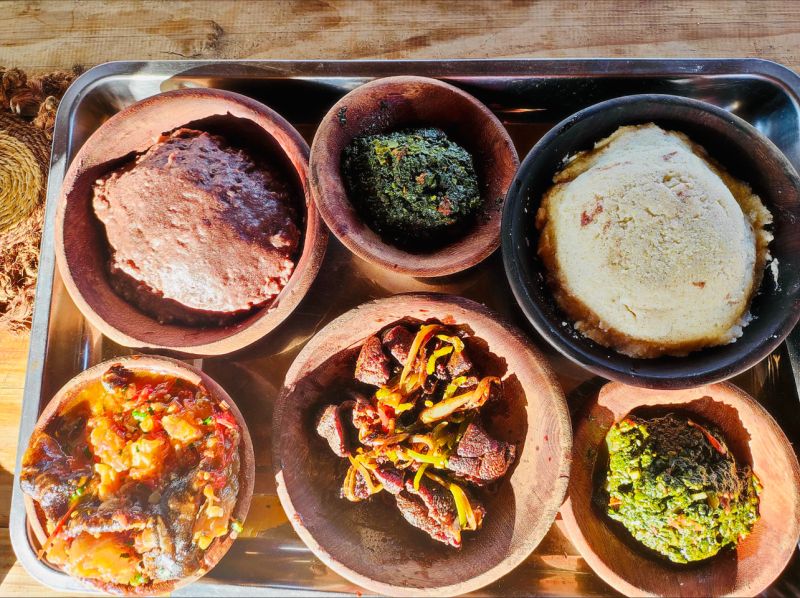
As global agricultural challenges intensify, farmers at the summit advocated for diversified farming as a strategy for resilience. Terrence Maphosa, CEO and founder of Kwa Terry, a leading rural restaurant in Zimbabwe, urged farmers to go beyond crop farming to safeguard against unpredictable weather patterns.
“The problem in rural areas is that people associate farming only with crops. When there’s little or no rainfall, it’s a disaster,” said Maphosa.
His entrepreneurial journey is a powerful example of social innovation. By launching a poultry project and restaurant, he has created a stable market for local farmers while providing employment for young people.
“I wanted to build a sustainable business model that benefits both me and my community. I started giving free roadrunner chicks to youths in my village and now buy from them to supply my restaurant,” Maphosa shared.
Beyond business, Maphosa is deeply committed to food security and transforming rural perceptions of agriculture. His restaurant, Kwa Terry, has gained national and international recognition, attracting visitors from across Zimbabwe and beyond. It has even become a subject of university studies on sustainable agriculture and rural innovation.
The Southern Africa U.S. Exchange Alumni Summit served as a platform for collaboration, innovation, and knowledge-sharing among agricultural entrepreneurs, policymakers, and climate advocates.
“As we move forward, it’s essential to continue supporting initiatives that promote sustainable agriculture, entrepreneurship, and leadership development. Together, we can create a brighter future for farming communities in Southern Africa and around the world,” said Maphosa.
With the increasing adoption of climate-smart agricultural practices, the summit highlighted a transformational shift in farming approaches across Southern Africa. By embracing technology, tradition, and innovation, the region’s farmers are forging a more sustainable and food-secure future.