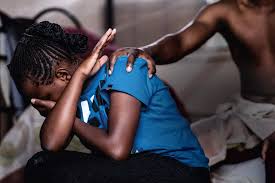
Photo Credit: UNICEF
In a conservation to break the silence Onita Sibanda (OS), the host of Weekly Guest at Besana talks and gets deeper with Loy Campbell (LC) on understanding childhood sexual trauma, prevention and the healing process.
OS: I’m your host, Onita Sibanda and I’m joined by our special guest, Loy Campbell. Let’s dive in and create a safe space for conversation and connection. Welcome Loy, we are honoured to have you and may you kindly introduce yourself.
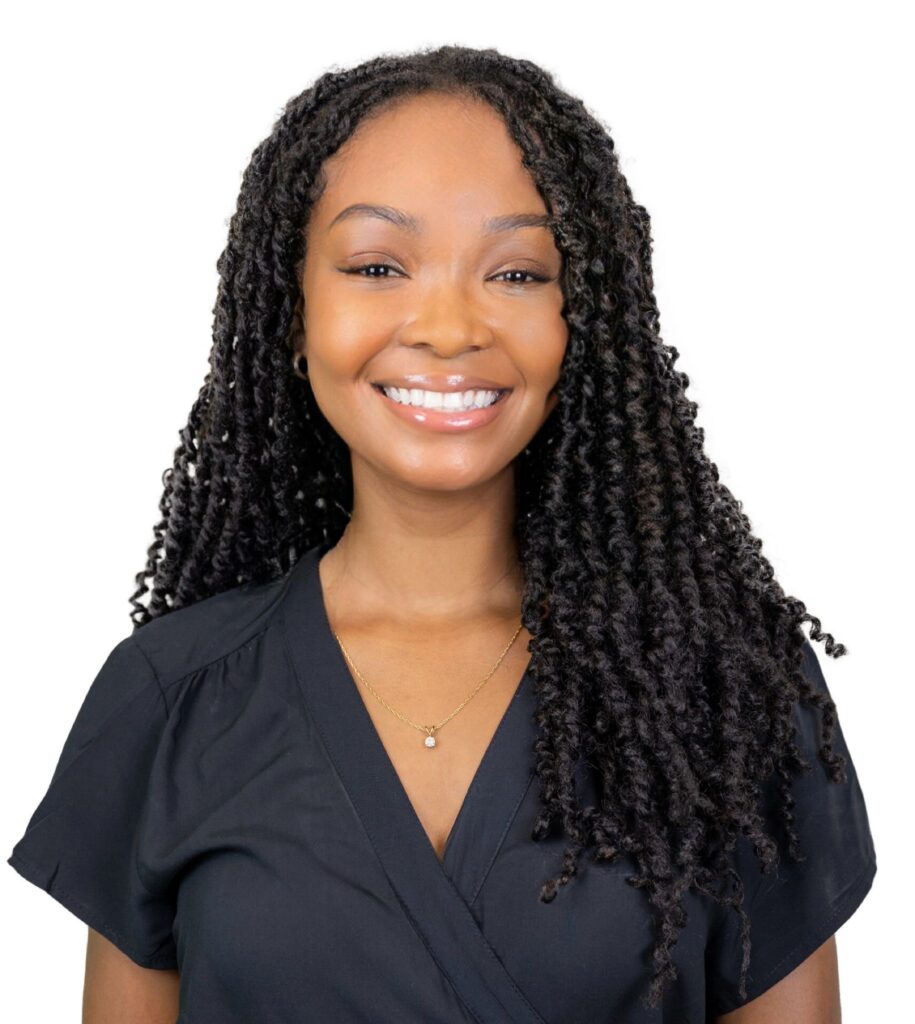
LC: Thank you Onita! Hi everyone, my name is Loy Campbell and I’m 22 years old from the Cayman Islands. I am currently doing my Masters at Nottingham Trent University studying Global Media and Communications. I also do some volunteer work with a Women’s Aid who specialise in helping women and children get out of abusive situations and take steps towards healing. I am honoured to be here.
OS: Thank you for sharing that with us Loy! It’s wonderful to have you here, and we appreciate the valuable work you’re doing with Women’s Aid. Your experience and insights will undoubtedly enrich our conversation tonight. What is sexual trauma?
LC: So, sexual trauma can take many forms; psychological, physical, emotional, or even a combination of all 3. It’s the lasting impact of sexual abuse, assault or exploitation which can leave deep scars that affects someone’s sense of safety, identity, trust and relationships. It’s not just about what happened, but also about how it changes the way a person goes about life.
OS: You have articulated the complexities of sexual trauma. It’s essential to acknowledge that the impact extends far beyond the initial incident, influencing every aspect of a survivor’s life.
What are some of the immediate and long term psychological effects of sexual trauma in children?
LC: Yes! It affects every aspect of a survivor’s life. Some immediate effects include:
1. Anxiety, fear, or sudden phobias, especially around people or specific places.
2. Withdrawal from family, friends or activities they once enjoyed.
3. Unexplained aggression or outburst.
4. Bed wetting, especially in younger children, increases nightmares or sleep paralysis.
5. Age, inappropriate sexual knowledge or behaviours.
Then the obvious physical symptoms. Long-term effects include:
1. Persistent trust issues and difficulty forming healthy relationships.
2. Self-destructive behaviours like substance abuse, self harm, or harmful reckless decisions.
3. Chronic anxiety, depression, or PTSD.
4. Guilt, shame, and distorted self perception and self-worth.
5. Hyper sexuality or complete avoidance of intimacy.
Just to name a few of the most prominent effects.
OS: Thank you for sharing this comprehensive list of effects. It’s heart-breaking to see how sexual trauma can impact every aspect of a survivor’s life, from their relationships and mental health to their physical well being and self perception.
LC: Yes, it truly is heart-breaking.
OS: How can caregivers, teachers, or medical professionals recognize signs that a child may have experienced sexual abuse?
LC: The obvious signs include physical indicators like bruising, genital pain, and bleeding. But the real challenge lies in spotting behavioural changes. A child who was once outgoing suddenly becomes withdrawn. And normally a quiet child becomes aggressive. Sleep issues, panic attacks, becoming hyper-aware of their body. Wearing more provocative clothes or wearing baggy clothes to hide themselves even when the weather isn’t appropriate. They can pay attention to how the child interacts with others if they seem unusually fearful of a specific person or a gender all of a sudden or overly attached to a specific person. One of the biggest ones is if they are demonstrating knowledge of sex beyond their age or acting out sexually with other children or in their play like with dolls or figurines.
OS: You’re absolutely right Loy! Behavioural changes can be subtle, yet crucial indicators of potential trauma. The examples you provided, such as changes in mood, sleep patterns, and interactions with others, are all important red flags.
I appreciate you emphasizing the importance of observing how children interact with others, as this can reveal underlying fears, anxieties, or attachments. And, as you mentioned, premature sexual knowledge or behaviour is a significant warning sign.
In different cultural contexts, what barriers prevent children from disclosing abuse, and how can we overcome them?
LC: The biggest barrier across most cultures I think is shame. Abusers manipulate children into believing the abuse is their fault, making telling someone feel impossible. In some societies especially where “family honour” is priority, survivors are silenced to protect reputations rather than being protected themselves.
I think in certain cultures; abuse is so normalised that it’s not even recognised as abuse anymore. In my home country for example, relationships between grown men and teen girls are often brushed off as normal. If a child speaks up and no one cares, they internalise that silence and it confirms the false belief that the abuse is somehow their fault.
Overcoming these barriers requires shifting the culture of silence. Education needs to start young and society must remove the stigma on victims and instead place accountability where it belongs on the abuser.
OS: Loy, you have hit the nail on the head. Shame is a powerful silencer, and when coupled with societal norms that prioritize ‘family honour’ or normalize abuse, it’s a toxic combination. I’m deeply troubled by the example you shared from your home country, where relationships between grown men and teen girls are brushed off as normal.
LC: Yeah, it’s really bad. It has come to the point where teachers don’t care anymore as long as the parents don’t care. And sometimes the young girls think it’s something to brag about that they are in a relationship with an older man. I truly hope this changes soon.
OS: It’s disturbing when teachers and parents become desensitized, it sends a devastating message to children. And it’s heart-breaking that some young girls are even encouraged to view these relationships as a status symbol.
This highlights the urgent need for education and awareness raising, not just for children but also for adults. We need to reframe the narrative around healthy relationships, consent, and power dynamics.
What are the most effective therapeutic approaches to help children heal from sexual trauma?
LC: Yes, 100%. Before therapy even begins, I think the most crucial step is believing the child. So many people brush off what a child is saying but fail to realise that it is very rare for a child to make up such trauma. A lot of trauma comes not just from the abuse itself, but from being dismissed, ignored, or even blamed.
Beyond that, therapy must be child centred. Every child is different so some children respond best to talk therapy while others need art, music, or play therapy to express what they can’t verbalise if they are really young.
‘Trauma focused cognitive behavioural therapy’ is one of the most effective methods according to sources online and it helps children process what happened in a safe way.
‘Somatic therapies’ can also be really helpful which focuses on how trauma is stored in the body helping to release it rather than relive it and this can be helpful in the healing process so it does not come up later on in life.
‘Faith based counselling. for those who are religious can provide healing beyond psychology addressing spiritual damage that trauma inflicts.
But I think the most important factor, especially if a family can’t afford a therapist or cannot find those resources, is a strong support system because therapy alone cannot heal a child if the environment they return to doesn’t reinforce safety, stability and love.
OS: Loy, thank you for highlighting the importance of child centered therapy, acknowledging that each child’s needs and responses are unique..
Your emphasis on a strong support system is also vital. How does childhood sexual trauma affect an individual’s ability to form relationships later in life?
LC: It can create a warped understanding of intimacy, love, and trust. Some people build walls so high that they don’t let anyone in because they fear betrayal or hurt. Others let everybody in because they’re desperate for love and they can fall into unhealthy patterns mistaking toxicity for passion.
Many survivors struggle with trust issues not just in romantic relationships, but friendships and authority figures. There’s also an aspect of hyper-sexuality or avoiding intimacy in all forms entirely. Self-worth issues come up again. They might feel unworthy of love, leading them to settle for abusive relationships or in some cases become the abuser themselves as a misguided way to reclaim control. Healing is most definitely possible, but without proper intervention, childhood trauma can repeat itself in cycles.
OS: You have painted a vivid picture of the complex and lasting effects of childhood trauma on a person’s understanding of intimacy, love, and trust. It’s heart-breaking to see how survivors may struggle with trust issues, self-worth, and unhealthy patterns in relationships. I appreciate your emphasis on the possibility of healing.
How can schools and communities play a proactive role in preventing sexual abuse and equipping children with the tools to speak up?
LC: Firstly, ‘having proper education on boundaries and consent.’ Children need to know what inappropriate behaviour looks like and that they have the right to say no.
Children should have ‘multiple trusted adults’ they can turn to, especially if the abuser is a family member.
‘Accountability in institutions is needed.’ Schools and communities must actually act when abuse is reported, not sweep it under the rug.
‘Consistent messaging’ is important as well. Reinforcing the message that abuse is never the child’s fault and that there is always someone willing to listen and help.
OS: Thank you for outlining a comprehensive framework for supporting survivors of childhood trauma and preventing future abuse. I agree on the need for accountability in institutions. It’s appalling when schools and communities fail to act on reports of abuse, allowing perpetrators to continue harming others.
What are the common challenges faced by families when a child discloses abuse, and how can they best support their child?
LC: I think the hardest part is managing their own emotions. It’s easy to become consumed with rage, guilt, or devastation, especially if the abuser is someone that they trusted. But the focus needs to stay on the child.
Some other challenges include denial, not knowing how to help (many parents lack the tools to provide emotional support), and victim blaming even if it is unintentional (e.g., “why didn’t you tell me sooner?” “Why did you go over there at this time?” Etc.)
How they can support their child:
1. Validating their experience making sure that the child knows that you believe them and that it was not their fault.
2. Ensuring that they feel safe both physically and emotionally. Removing them from the abuser getting legal intervention.
3. Get them professional help even if they seem fine because trauma can manifest overtime.
4. Being patient because healing is not linear understanding that some misbehaviours are a product of the trauma and not letting it slide, but handling it with grace.
OS: Very true Loy. It’s essential to acknowledge these emotions and prioritize the child’s needs.
I particularly appreciate your emphasis on patience and understanding. Recognizing that healing is non-linear and that misbehaviours may be trauma-related can help caregivers respond with compassion and empathy.
How can the media like The Besana Mail responsibly cover stories of child sexual abuse without sensationalizing or traumatizing survivors?
LC: 1. Prioritising survivor voices instead of focusing on graphic details. Letting survivors share their experiences in their own words and instead of making the story solely on one survivor’s trauma, highlight broader issues like flaws in the legal system or lack of protective measures or gaps in education allowing abuse to continue. This shifts focus from shock value or gossip to meaningful change and empowers survivors.
2. Avoiding language that shifts blame. A lot of media likes to say, for example, “victim engaged in a relationship with the abuser” rather than the “victim was groomed”. This pushes a narrative that it was the survivor’s fault and contributes to the shame culture.
3. Educating rather than exploiting. So, every story should have a purpose whether that’s raising awareness or highlighting solutions or providing resources for survivors.
OS: Thank you for providing a thoughtful and comprehensive guide for responsible media coverage of child sexual abuse stories. Your point about language is also well taken.
What are some key factors that contribute to resilience and recovery?
LC: Firstly, a strong support system. Having at least one person who genuinely cares makes a huge difference. Secondly, letting go of guilt and shame is crucial to healing
Thirdly, faith for those who are religious. Spiritual healing can offer comfort and clarity that therapy alone may not provide. And lastly, reclaiming control whether that be through therapy, advocacy, or personal growth. Taking back their power often leads to healing more fully.
OS: I appreciate your acknowledgment of the role of faith and spiritual healing for those who are religious. It’s essential to recognize that healing is a holistic process that can involve various aspects of a person’s life.
As we conclude this important conversation, Loy, what are your last words of advice, support, or hope for survivors of childhood trauma and those who care about them?
LC: To anyone who has experienced sexual abuse, it is not your fault. There’s no shame in what happened to you and you are not alone. Healing is more than possible and you deserve it!
Those supporting survivors, believe them, validate them and stand with them. The shame belongs to the abuser, not the victim and thank you for being a trusted source of comfort and guidance.
OS: Powerful! Thank you for sharing these important reminders with our community. Your words will undoubtedly bring comfort and validation to those who have experienced sexual abuse.
Thank you so much Loy, for your time, wisdom, and dedication to this important cause. It was an honor to have you. We are grateful for your commitment to supporting survivors and promoting a culture of belief, validation, and empowerment. Let’s continue to stand together against shame, stigma, and silence. Let’s keep the conversation going and continue to support one another
LC: Thank you so much as well. It was an honour too.
OS: It was a truly insightful discussion. I appreciate your thoughtful insights that helped deepen our understanding of this important topic.