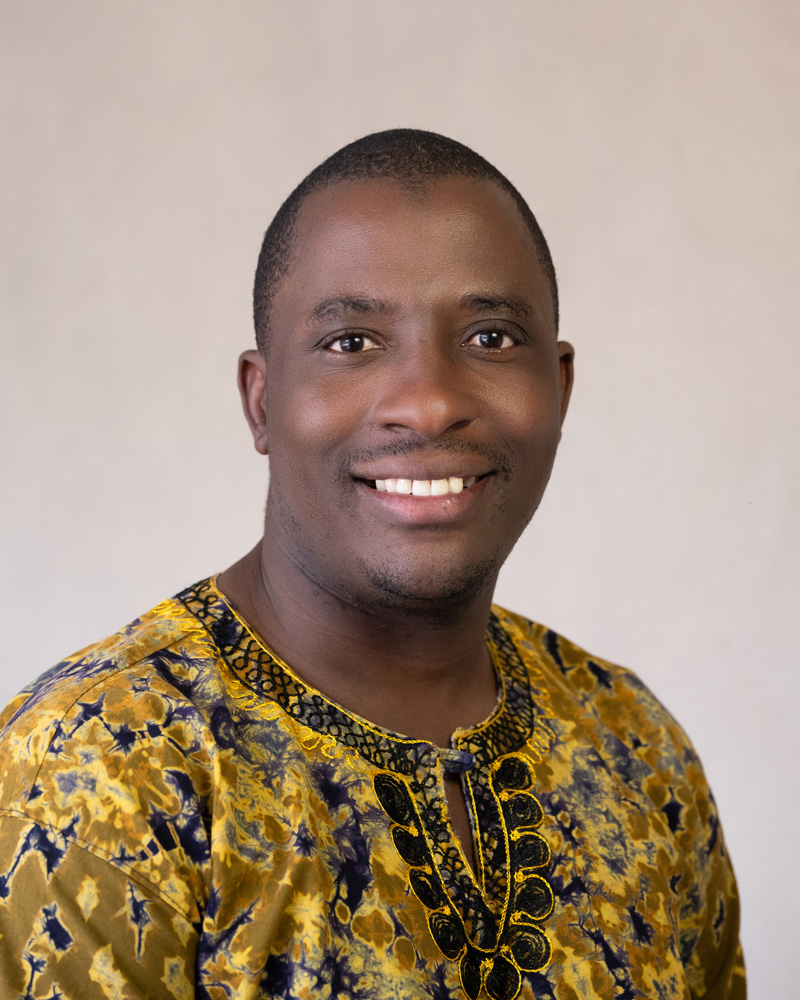
Zororai Nkomo - Journalist & Human Rights Lawyer
In a candid and timely conversation, Weekly Guest Host Onita Sibanda (OS) sat down with Zororai Nkomo (ZN), a journalist and lawyer, to delve into the urgent and growing crisis of child trafficking in Zimbabwe and across Africa. With increasing reports of exploitation, abduction, and cross-border trafficking, the discussion shed light on the harsh realities faced by vulnerable children, and the legal, social, and political gaps that allow this grave violation of human rights to persist.
OS: Welcome to the show Zororai! May you kindly introduce yourself.
ZN: Thank you for having me! I am a journalist and Human Rights Lawyer specialising in Anti-Trafficking or anti-Human Trafficking.
OS: Thank you for the introduction! What are the most prevalent forms of human trafficking involving children and young people in Zimbabwe, and how have these patterns evolved in recent years?
ZN: Children trafficking is the use of children for the purpose of exploitation. Major forms of trafficking in Zimbabwe are forced labour, sexual exploitation, forced begging, forced marriages, domestic servitude and child marriages. However, it is important to note that trafficking is a very complicated crime which is difficult to detect.
This criminal enterprise has evolved because of the advent of technology, young children are recruited online and it becomes more complicated to detect it.
OS: The forms of exploitation you mentioned are devastating. Can you describe the main push and pull factors that make children and youth in Zimbabwe particularly vulnerable to trafficking?
ZN: The major push factors of trafficking in Zimbabwe is such as poverty, lack of educational and employment opportunities, and individuals seeking better lives, often making them vulnerable to exploitation. The level of unemployment in the country makes children susceptible to traffickers in search of survival, access to education is another problem, when children are not in school they are prone to exploitation. The pull factor is the search for improving the quality of life. traffickers take advantage of economic hardships and promise young people better opportunities whilst they want to exploit them.
OS: So true! Traffickers exploit desperation, promising better lives. Addressing these root causes is needed to raise awareness about trafficking tactics.
My next question; How do traffickers typically operate in rural versus urban areas, and are there specific tactics used to lure children and young people?
ZN: If we look in Zimbabwe, generally rural areas often have fewer people, greater geographic isolation, and limited access to services and support networks. This makes victims harder to identify and reach. In rural communities, traffickers may be known faces, making it difficult for victims to disclose abuse due to fear of stigma or reprisal from within their own community or even family. What is important is that perpetrators of trafficking in most cases are people who might be known to the victims, so they use that trust to exploit the victims. In rural areas, labour trafficking is often prevalent in agricultural sectors eg in tobacco farming, sugar plantations in areas such as Chiredzi, domestic work where people take their economically challenged relatives to work as maids and cattle herders. In Urban areas traffickers use anonymity which makes it easier for them to operate without immediate suspicion and this makes it even harder for victims to get help. So, trafficking in urban setup uses the opportunity of unemployment which is high in cities to exploit young people. These days they use various tactics including social media where they masquerade as employers and providers of scholarships to study abroad and along the way they exploit children
OS: Thank you for highlighting the tactics used to lure young people. Labour trafficking in agriculture and domestic work, as well as online scams, are concerning trends.
Are there any current legislative gaps or enforcement challenges that hinder efforts to prevent child trafficking or prosecute traffickers?
ZN: The major piece of legislation which deals with trafficking in Zimbabwe is the Trafficking in Persons Act of 2014. It’s a good piece of legislation but with gaps. The act is crafted in a manner which defines trafficking as a movement based offence. Yes, although trafficking can happen after movement, the act fails to take cognisant of the fact that without movement a person can be trafficked. Trafficking is happening even in our rural communities. Trafficking is exploitation of human beings for profit. So our laws are crafted with the view that only people who go abroad and are transported are victims, failing to understand that even in our rural communities there is rampant trafficking. The act also does not define what is child trafficking. In countries like South Africa and Kenya their anti trafficking laws define child trafficking. Child trafficking and trafficking of those above 18 have a fundamental difference. So there is need to revise our trafficking legislation for adequate protection of children

OS: You have raised important points, the lack of a clear definition of child trafficking is also concerning. Revising the legislation to address these gaps and provide adequate protection for children is crucial.
In your advocacy work, how do you engage with communities to raise awareness and build resilience against trafficking?
ZN: Currently we are trying to educate members of the public and law enforcement agencies to understand trafficking. We did this in Nairobi Kenya and now we are doing awareness campaigns in South Africa.
OS: This is a good move.
ZN: I agree with you, what I mean is the issue of concentration. Trafficking also depends on concentration of victims, victims are more geographically concentrated in urban areas
OS: Have you seen effective examples of survivor rehabilitation and reintegration programs for trafficked children or youth, and what makes them successful?
ZN: The good model is in Kenya, where they have shelters which are near police establishments. What I have realised is that we need a lot of resources. My experience is that many of these rehabilitation centres are provided by NGOs which is not a sustainable model, we need governments to take charge.
OS: This is a great example and you are right, sustainable funding and government support are crucial for effective rehabilitation centers. NGO led initiatives are valuable, but government ownership ensures long term sustainability.
ZN: Exactly even the research I conducted in Nairobi, Malawi and Tanzania shows that only NGOs are major players in trafficking programming.
OS: Moving on, what role do regional or international partnerships play in your efforts to combat child trafficking, especially in cases involving cross border movement?
ZN: It’s very important for that cooperation between states. This crime needs cooperation, but the challenge is hindered by jurisdiction differences in justice delivery. For example, in Zimbabwe if police see an undocumented national from another country, the first thing to come to their mind is that they are dealing with an illegal person, failing to interrogate the probability that the person is a victim of Trafficking. So international cooperation becomes a challenge due to some immigration laws and regulations.
OS: Thank you for sharing Zororai. How can digital platforms and technology both pose new risks and offer new tools in the fight against human trafficking of children?
ZN: Digital platforms are both good and bad in fighting trafficking. In Atlanta in the US which is a hotspot for trafficking they use technology to fight trafficking through a family surveillance system. However, on the other hand its being a source to lure young people into exploitation through bogus job offers and scholarships.
OS: Thank you! From your perspective, what are the most urgent policy or advocacy priorities that governments and NGOs should focus on to protect children and young people from trafficking in the next 5 years?
ZN: The first thing which the government should do is to conduct research to see the magnitude of the problem. After that they embark on legal realignment and advocacy so that people can know what trafficking is, how it is happening, where it is happening. That will be a comprehensive way of addressing trafficking.
OS: True, a comprehensive approach is essential to combat trafficking. Finally, how can a media outlet like The Besana Mail be involved in the fight against trafficking?
ZN: The first thing is to capacitate our journalists so that they understand the discourse of Trafficking, this will enable them to adequately investigate trafficking issues. The media is a very important tool the world over on human rights abuse investigations. So we need to train specialised journalists who will have competencies and capacities to report and investigate trafficking in our respective communities.
OS: Your last words?
ZN: What I would like to tell people is that child trafficking in Africa needs governments, Civil Society, National Human Rights Institutions, media and all stakeholders to come together so that we can secure an African continent fit for children. Thank you!
OS: Well said! Collaboration and collective action are indeed essential to combating child trafficking in Africa. Thank you so much Zororai for your insightful presentation. Your contributions to this important conversation has been truly enlightening.
ZN: You are welcome. Thank you for inviting me.