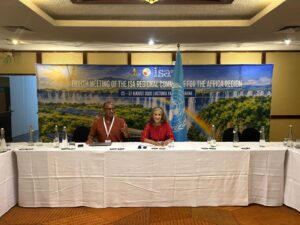
Wilkins Sikazwe
In discussing one of the pressing issues faced with young girls – menstrual health, Onita Sibanda (OS) speaks to Wilkins Sikazwe (WS) to look at the menstrual health education and access to sanitary wear by millions of girls out there.
OS: Welcome to the show Wilkins! I’m happy to have you. May you kindly introduce yourself
WS: Thank you for having me! I’m Wilkins Sikazwe from a youth led organization called ZATU CREATIVES FOUNDATION where we use creative tools such as art and film for social change. I am a passionate advocate for menstrual health and education, particularly for young people in Zambia. With a background in Education, ICT, Film, Art and community development, I believe that every child deserves access to quality education and the opportunity to thrive.
I’m excited to share my insights and experiences on how we can work together to create a more supportive environment for menstrual health in our various spaces.
OS: Thanks for sharing about your work with ZATU CREATIVES FOUNDATION. We are excited to learn from your experiences.
Moving on! At what age should children ideally begin learning about menstruation, and who should be responsible for that education?
WS: Idealistically, children should begin learning about menstruation around 7-10 years old, before they start menstruating. A collaborative approach involving parents, educators, and the broader community is essential for providing accurate and supportive information. By doing so, we can reduce taboos and stigma surrounding menstruation. In Zambia, early education has been shown to promote healthy practices and reduce stigma. Moreover, it’s crucial that menstrual health education is inclusive, targeting both girls and boys, to foster a deeper understanding and empathy. Introducing Menstrual Health Education in schools can help achieve this, enabling boys to understand and support their peers, and promoting a more supportive environment for all.
OS: Thank you Wilkins! That’s a crucial point! Introducing menstrual health education early on can indeed help break taboos and stigma. It’s great to hear that early education has shown positive results in Zambia and implementing menstrual health education in schools can be a significant step forward.
What are the most common challenges girls face when managing their periods in school settings, especially in under-resourced areas?
WS: Girls in under-resourced areas of Zambia often face challenges like limited access to sanitary products (mostly very expensive), inadequate WASH facilities, stigma, and lack of education.
This can lead to absenteeism, discomfort, low self esteem and decreased confidence. Addressing these challenges requires a comprehensive approach that includes education, infrastructure development, and community engagement.
We have an initiative running called donate a pad campaign which helps distribute pads for free in under resourced areas and also equips them with knowledge/skills in reusable pad making (making, use, cleaning and disposal).
This has proved to be helpful but we need a more sustainable solution
OS: Thank you for sharing the challenges faced by girls in under resourced areas of Zambia. Your Donate a Pad campaign is a great initiative and equipping them with reusable pad making skills is a practical solution.
How does lack of access to menstrual health products affect children’s health, dignity, and education outcomes?
LS: Lack of access to menstrual health products can have severe consequences on girls’ health, dignity, and negative education outcomes such as absenteeism, loss of interest in school, and negative change in behaviour among many things.
In Zambia, girls may experience health issues due to unhygienic alternatives, feel embarrassed and ashamed, and miss school, ultimately affecting their well-being, school performance and opportunities.
The situation is exacerbated by limited access to sanitary products, inadequate facilities, and cultural taboos. To address this, a holistic approach is necessary, including affordable and accessible products, improved facilities, education and awareness initiatives especially for men and community leaders.
By working together, we can promote menstrual health and hygiene, reduce stigma, and empower girls to manage their menstruation with confidence and dignity.
OS: Absolutely, the consequences of limited access to menstrual health products are extensive and can have a profound impact on girls lives. By involving men and community leaders in awareness initiatives, we can work towards breaking down cultural taboos and stigma surrounding menstruation. Let’s continue to work together to create a supportive environment for girls to thrive.
Are there known psychological or emotional effects on children who begin menstruating without prior knowledge or support?
WS: Children who begin menstruating without prior knowledge or support may experience a range of negative emotions, including anxiety, fear, shame, and confusion.
This lack of understanding and preparation can lead to long-term emotional and psychological impacts, affecting their self-esteem, confidence, and overall well-being. In Zambia, community-based education and support is playing a vital role in mitigating these effects by providing girls with accurate information, guidance, and reassurance. By engaging with local communities, schools, and healthcare providers, we can promote healthy practices and reduce stigma around menstruation. This can involve training community health workers to provide menstrual health education, supporting parents and caregivers in discussing menstruation with their children, and creating safe spaces for girls to share their experiences and concerns. Additionally, involving men and boys in menstrual health education can help break down harmful gender norms and stereotypes, promoting a more supportive and inclusive environment for girls and women. By encouraging men to understand and respect menstruation as a natural part of life, we can foster empathy and support, ultimately contributing to a more equitable and empowered society.
OS: Profound! Lack of preparation and support can have lasting impacts on young girls. Thank you for sharing the great work you are doing in Zambia!
My next question is, how inclusive is current menstrual health education when it comes to reaching children, including those with disabilities?
WS: Current education often falls short in reaching children with disabilities, who may face unique challenges. We need tailored programs and accessible materials which can help ensure that all children receive accurate and supportive information.
Collaboration with disability organisations and community leaders is crucial for promoting inclusivity.
OS: Absolutely, inclusivity is key! Tailored programs and accessible materials can make a huge difference for children with disabilities.
What role do parents and caregivers typically play in shaping children’s understanding of menstruation, and how can they be better supported?
WS: Parents and caregivers play a significant role in shaping children’s understanding of menstruation. Parents can be better supported through education, resources, and open communication, enabling them to provide positive guidance and promote healthy practices.
OS: Exactly! This in turn, helps children develop healthy attitudes and practices surrounding menstruation.
Are there any particular myths or harmful cultural beliefs about menstruation that continue to affect children in your area of work?
WS: In Zambia, myths like the belief that menstrual blood can be used for witchcraft can lead to stigma and shame, myths like when women touch plants during menstruation the plant dies, or women should not cook or prepare food during menstruation and many more exist.
Education and awareness are key to dispelling these myths and promoting healthy practices. Community-based initiatives and cultural leaders can help challenge these beliefs and promote positive change.
OS: Those myths can be really damaging. Education and awareness can be crucial in debunking them.
What policies or school-based interventions have proven effective in improving menstrual health management for children?
WS: Policies like providing free sanitary products, improving facilities, and incorporating menstrual health education into school curricula have proven effective. In Zambia, the donate a pad campaign initiative to provide free sanitary products had proven to be a positive step towards promoting menstrual health and education.
OS: Fantastic! It’s great to see effective policies and initiatives in action.
How can healthcare systems and community leaders collaborate to reduce stigma around menstruation among young people?
WS: Healthcare systems and community leaders can collaborate to reduce menstrual stigma by promoting education, awareness, and open discussions. Partnerships between government agencies, NGOs, and community leaders can help normalise menstruation and promote healthy practices.
We have been running a pageant called Miss Menstrual Health Zambia which is in second year running, we bring together health workers, community leaders, religious leaders and people from all walks of life to show case creative inclusive means to combat menstrual health related issues this has also helped.
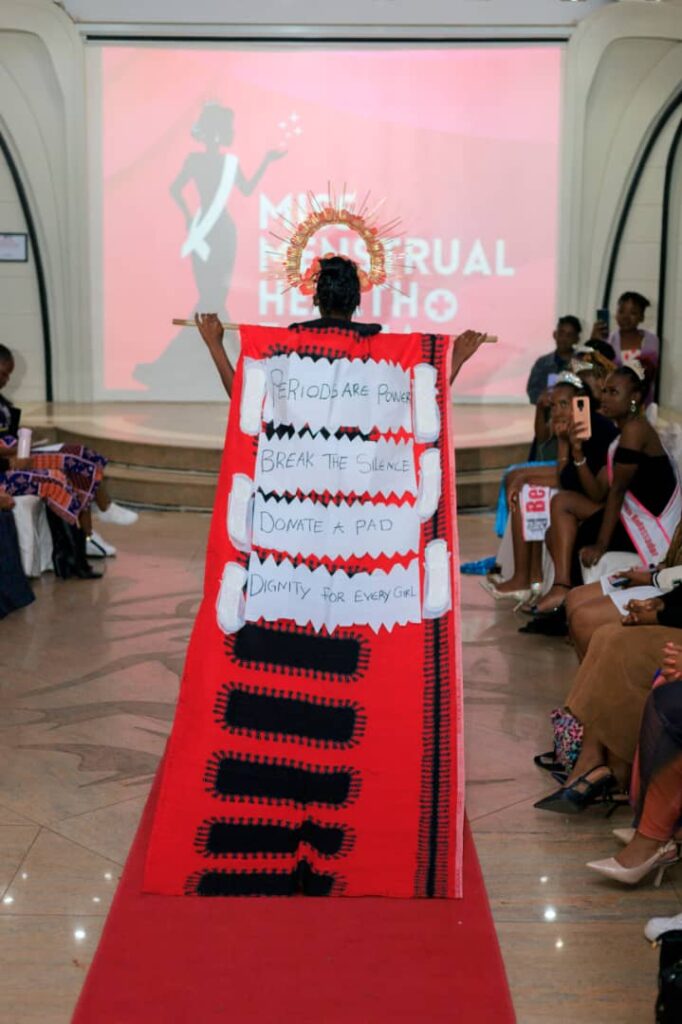
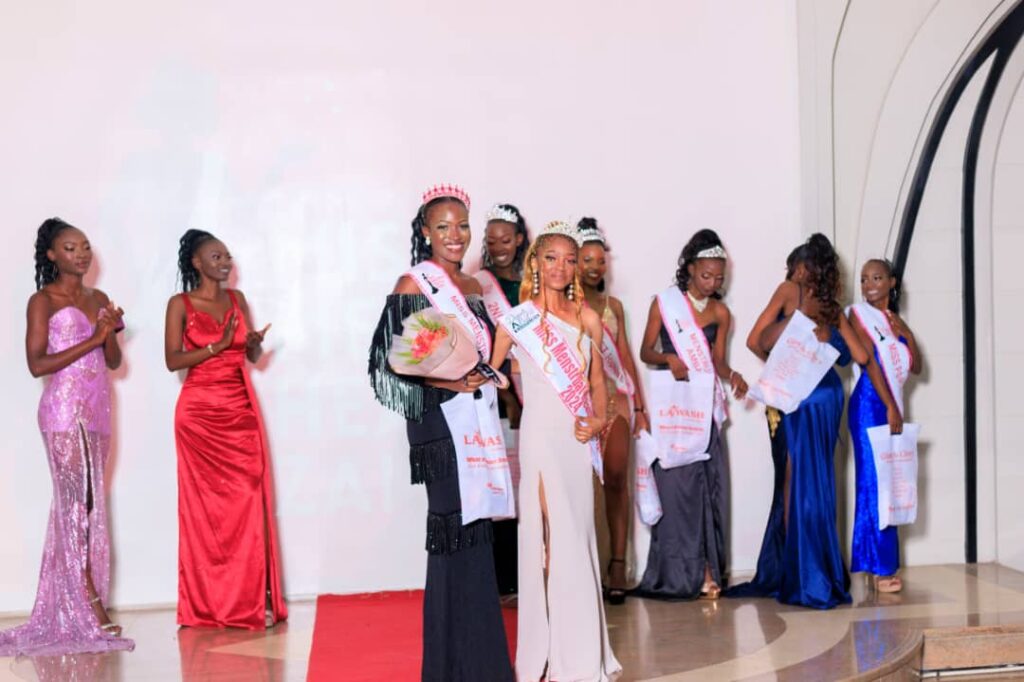
OS: Wow! That’s amazing! The Miss Menstrual Health Zambia pageant is a creative and innovative way to promote menstrual health awareness and reduce stigma.
What is the role of media like The Besana Mail in supporting children?
WS: Media outlets like The Besana Mail can play a vital role in supporting children by raising awareness about menstrual health, debunking myths, and promoting open dialogue.
We can also try engaging shows on Radio, TV, cartoons and more, paint n’ sip competitions, music and more. By sharing stories and experiences, media can help normalize menstruation and promote healthy practices.
OS: Point well taken. Thank you Wilkins! Your last words?
WS: Thank you for this opportunity. I hope our discussion highlights the importance of menstrual health education and support. By working together, we can create a more supportive and inclusive environment for everyone and men must take a lead role in understanding menstrual matters, and let us indulge in creative means to help easily get the information to everyone.
OS: Most welcome! It’s been a pleasure discussing menstrual health with you. I agree that men should take an active role in understanding and supporting menstrual health and creative approaches can help reach a wider audience. By working together and using innovative methods, we can create a more inclusive and supportive environment for everyone.
Thank you so much Wilkins for your insightful presentation. Your contributions to this important conversation has been truly enlightening. Zikomo kwambili!
WS: Thank you so much for having me and I am most humbled to have shared my mind and experience with everyone today.