Harare – Zimbabwe is witnessing a notable surge in privately run schools as demand for quality education outpaces the capacity of public institutions and traditional mission schools, reshaping the country’s education landscape and prompting both opportunities and concerns for families, educators and policymakers.
Private investment in Zimbabwe’s education sector has risen sharply, with thousands of non-state actors, including individuals, companies, church groups and trusts, establishing primary and secondary schools across the country.
According to the government’s 2024 Annual Statistical Report, 3 853 schools are now owned by private entities, with 1 552 primary and 516 secondary schools run by individuals alone. Although state schools still make up the majority of learning institutions, private schools now account for more than a third of all schools nationwide, reflecting how parents and entrepreneurs are stepping in to fill gaps in access and quality.
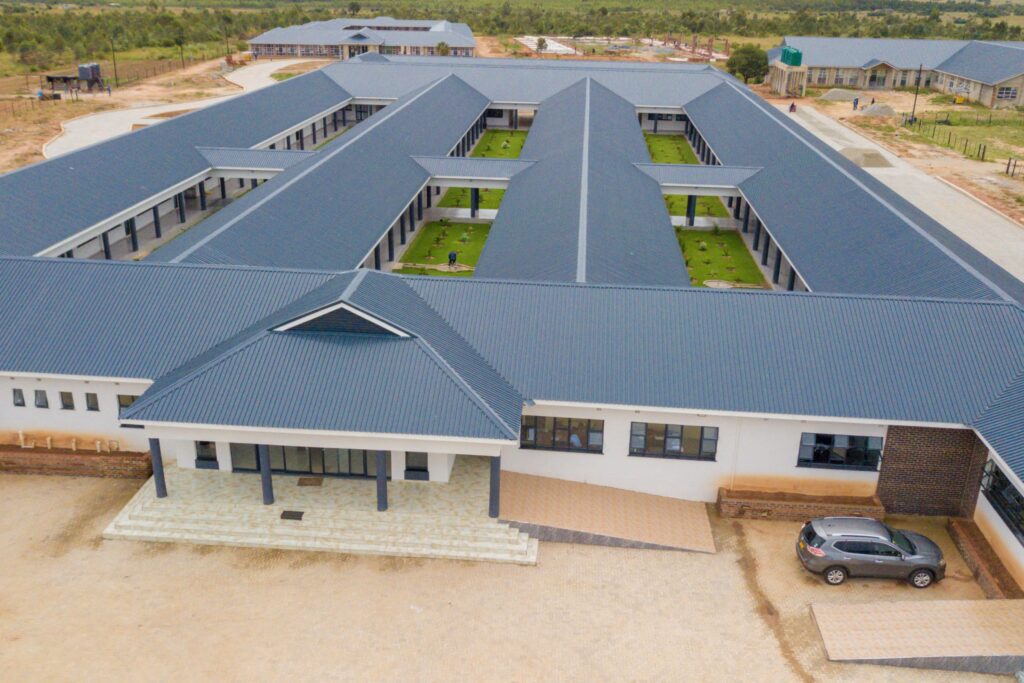
This growth is visible in both major cities and smaller towns. In Kadoma, Makseth International School opened recently as the city’s first elite private school, offering both the national curriculum and Cambridge examinations to local and international pupils. The expansion of private options mirrors broader trends highlighted at Zimbabwe’s 2025 Private Schools Expo, where a record 75 schools showcased their programmes to prospective parents. This marked marking a 20 percent increase in participation from the previous year. Exhibitors stressed the role of private schools in broadening choice and addressing capacity constraints.
“We are increasingly drawn to private schools for their ability to provide more personalised attention, better facilities and stronger academic outcomes,” said Monica Gandiwa, a resident in Kadoma.
Government officials have acknowledged the contribution of private schools in closing the national school deficit, and have encouraged responsible private investment to supplement state efforts. The Ministry of Primary and Secondary Education has undertaken reforms intended to improve oversight, including decentralising school registration to provincial offices in order to regularise the rapid proliferation of new institutions and ensure compliance with education standards.
The boom has also revealed regulatory and quality assurance challenges. Authorities have issued deadlines for unregistered schools to regularise or face closure. This comes amid concerns that some private and backyard schools operate without proper licensing, trained teachers or adequate facilities. Critics argue that without strong oversight, the rapid growth of private institutions could undermine educational standards and leave vulnerable learners exposed to uneven learning outcomes.
The trend also reflects broader shifts in parental preferences. Many families, particularly in urban areas, are choosing private and secular schools over traditional schools, citing perceived declines in teaching quality and facilities in older institutions.
This shift has prompted debate within communities over the role of private education in delivering value and whether it contributes to inequality between wealthier families who can afford tuition and those reliant on under-resourced public schools.
“Many times government schools have overcrowded classrooms, shortages of textbooks and teaching materials,” said Tanaka Chiome, a Harare based parent.
Educators say the rise of private schools presents both promise and pitfalls. Proponents argue that increased competition can drive improvements in teaching, infrastructure and curriculum innovation, while critics stress the need for strong regulation to protect students rights and ensure equitable access to quality learning for all Zimbabwean children.
“As private education continues to expand, policymakers face the task of balancing growth with accountability in a sector that plays an increasingly central role in the nation’s future,” said Timothy Runesu, an educationalist.