PORT-AU-PRINCE/NEW YORK — The number of children recruited and used by armed groups in Haiti surged by an estimated 200 per cent in 2025, highlighting a sharp deterioration in child protection conditions as gang violence and displacement continue to destabilise the country, according to UNICEF.
The warning, issued to mark Red Hand Day – the international campaign against the use of child soldiers, underscores how escalating insecurity and poverty are driving children into armed groups at unprecedented levels.
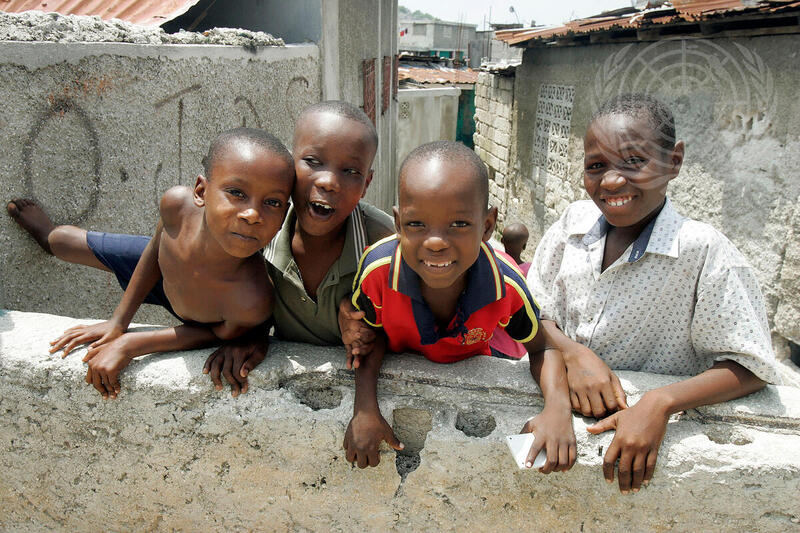
More than 1.4 million people are now internally displaced across Haiti, with children accounting for over half of those forced from their homes. Many face overlapping crises including armed violence, natural disasters and extreme deprivation, conditions humanitarian agencies say are fuelling recruitment by non-state armed actors.
“Children’s rights are non-negotiable,” said UNICEF Executive Director Catherine Russell in a statement. “Every child must be protected. And every child recruited or used by armed groups must be released and supported so they can heal, return to learning, and rebuild their future.”
Children are being drawn into armed groups through a mix of coercion and survival pressures. Some are directly threatened, while others join to help their families financially or after becoming separated from caregivers amid displacement. Armed groups may also offer a perceived form of protection in neighbourhoods where state authority has collapsed.
Recruitment exposes children to severe risks, including death or injury in combat, sexual violence, psychological trauma and arbitrary detention. It also disrupts education and long-term development, deepening cycles of poverty and instability.
Under international law, the recruitment or use of children by armed groups constitutes a grave violation of their rights.
Despite the worsening situation, humanitarian actors point to some progress. Since the signing of a national Handover Protocol in January 2024, UNICEF and partners have verified and supported more than 500 children formerly associated with armed groups through reintegration services.
These programmes, delivered alongside Haitian government ministries and civil society organisations, include psychosocial support, education assistance, family tracing and reunification, and community-based protection initiatives. Prevention and reintegration efforts are also being implemented through the PREJEUNES programme, aimed at reducing vulnerability among at-risk adolescents.
However, agencies warn that funding gaps threaten to undermine these interventions at a critical moment.
UNICEF is calling on national authorities, donors and the international community to strengthen child protection systems, expand access to essential services and support community-based reporting mechanisms that can identify children at risk before recruitment occurs.
“Children associated with armed groups must not be treated as perpetrators,” Russell said. “They must receive appropriate reintegration services and be protected from additional risks, stigma, or retaliation.”
The surge in recruitment reflects a broader crisis in Haiti, where armed groups have expanded territorial control, particularly in and around Port-au-Prince, disrupting schools, healthcare and livelihoods.
Without sustained security improvements and investment in social protection, humanitarian organisations warn that children will continue to bear the brunt of the country’s instability, both as victims and as participants forced into violence.