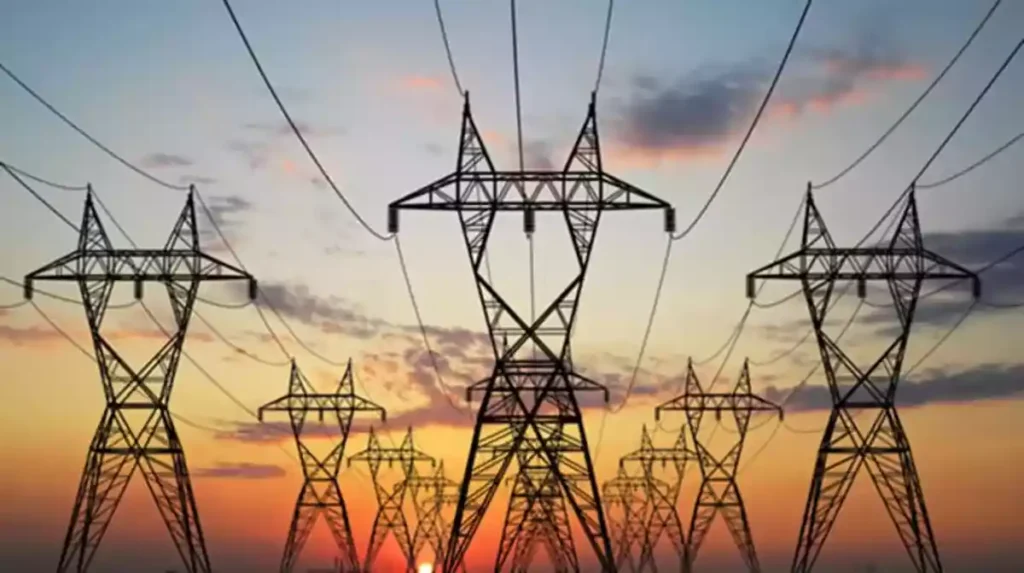
BULAWAYO-State-owned electricity utility ZESA Holdings has been ordered to pay a total of US$66 000 in compensation to two minors from Mangwe District in Matabeleland South Province who suffered severe electrical burns after coming into contact with low-hanging power cables, in a case highlighting concerns over infrastructure maintenance and public safety.
The compensation follows separate rulings by Bulawayo High Court judges, who found the Zimbabwe Electricity Transmission and Distribution Company (ZETDC) – a subsidiary of ZESA Holdings, liable for injuries sustained by the children due to negligence.
In one matter, the court ordered ZETDC to pay US$50 000 to an 11-year-old minor after finding that the power utility’s failure to properly maintain electricity infrastructure resulted in the child’s electrocution on 18 May 2022. The ruling, delivered on 15 January 2026, requires payment within two months.
The second case involved a 14-year-old minor who sustained serious electrical burns on the same day after contact with the cables. The child initially received treatment at St Anne’s Hospital in Brunapeg before being transferred to United Bulawayo Hospitals, where he underwent surgery on his right arm and was later assessed with a 32 percent permanent disability.
Following legal proceedings, ZETDC offered US$16 000 in settlement, citing limits under its insurance policy. The offer was accepted by the minor’s parents, and the High Court confirmed the agreement on 22 January 2026, ordering payment within 60 days.
The two minors, both residents of Mangwe Rural District, were represented by lawyer Prisca Dube with the assistance of Zimbabwe Lawyers for Human Rights (ZLHR), which supported the litigation as part of its efforts to promote accountability by public institutions.
Court documents indicate that ZETDC initially denied liability in both cases, arguing that the compensation amounts claimed were excessive. However, the court ultimately ruled in favour of the affected families.
ZLHR said the cases form part of its broader interventions aimed at addressing alleged negligence by state institutions and protecting citizens’ rights.
The organisation noted that it has handled similar cases involving electricity-related injuries over the years, arguing that such litigation plays an important role in deterring negligence and improving safety standards.
The incidents raise ongoing concerns about aging power infrastructure, particularly in rural communities where maintenance challenges and delayed repairs can expose residents to significant risks.