Photo Credit - UNICEF
Zimbabwe’s newly elected Child President, Tinashe Mugodhi, used the official opening of the 34th Junior Parliament to urge authorities to ensure every child has access to education and essential services, as young legislators joined the country’s belated commemoration of the 2026 Day of the African Child with renewed calls for investment in water, sanitation and children’s rights.
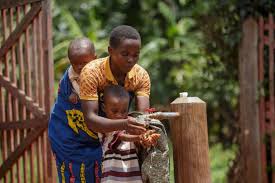
The annual sitting of the Junior Parliament, held at the new Parliament Building in Mount Hampden, brought together child legislators from across Zimbabwe’s 10 provinces to debate issues affecting children and present recommendations to government leaders. The session coincided with national commemorations of the Day of the African Child, observed under the continental theme, “Ensuring universal access to water, sanitation and hygiene for every child in Africa.”
The Day of the African Child is commemorated every year on June 16 in memory of the students killed during the 1976 Soweto uprising in South Africa. This year’s theme, adopted by the African Committee of Experts on the Rights and Welfare of the Child (ACERWC), calls on African governments to accelerate access to safe water, sanitation and hygiene, warning that millions of children continue to face preventable disease, malnutrition and disrupted education because of inadequate WASH services.
Opening the Child Parliament, Mugodhi, a student at St. Mary’s High School in Harare, said children remain at the centre of Zimbabwe’s development and urged authorities to protect the educational rights of vulnerable children, including those returning from neighbouring South Africa.
“I call on relevant authorities to ensure that the children of returnees are prioritised and integrated into the schooling system as soon as possible,” Mugodhi told the House. “Every child has a right to education. Education has been disrupted by some of these children returning from South Africa, hence the need for authorities to intervene.”
Mugodhi also congratulated Zimbabwe on its recent election to the United Nations Security Council, saying the development would strengthen international efforts toward peace and children’s welfare.
The Junior Parliament elected Mugodhi as Zimbabwe’s 34th Child President ahead of the sitting, succeeding Lionel Mazarire. Coline Mutepfa of Manicaland and Kundi Chimbuya of Midlands were elected Child Vice Presidents, while Prince Marley Tarirana of Masvingo became Speaker of the Junior Parliament. Their mandate includes representing the interests of Zimbabwean children and ensuring young people’s voices contribute to national policy discussions.
Government officials described the Junior Parliament as an important institution for promoting children’s participation in governance.
“Through the initiative, young people drawn from across Zimbabwe are given an opportunity to engage on issues affecting their lives, contribute to national discourse and develop leadership skills that prepare them to become responsible citizens and future leaders,” Ministry of Youth Empowerment, Development and Vocational Training communications director Ranson Madzamba said ahead of the sitting. “The Junior Parliament session remains a key platform for promoting meaningful child participation in governance and decision-making processes.”
President Emmerson Mnangagwa officially opened the sitting, reaffirming the government’s commitment to youth empowerment, education and inclusive development. During the ceremony, he also paid tribute to former Child Parliament member Kimberly Mwanza, whose contribution to child participation was remembered by Parliament.
Also addressing the gathering, UNICEF Zimbabwe Representative Etona Ekole reminded young legislators that the Day of the African Child commemorates the courage of the Soweto students who demanded dignity and quality education.
“We are belatedly commemorating the Day of the African Child, which is important to all of us,” Ekole said. “It reminds us of young people in Soweto who rose up to demand better education and dignity. They argued that children’s issues matter.”
She challenged the young parliamentarians to represent all Zimbabwean children, including those with disabilities and those affected by climate change.
“This year’s theme reminds us access to water is a fundamental human right,” she said. “Children need clean facilities and basic needs to achieve their full potential.”
The focus on water, sanitation and hygiene reflects growing concern across Africa over the impact of poor WASH services on children’s health and education. According to ACERWC, more than 190 million African children remain at high risk from water-related threats, with inadequate sanitation contributing to disease outbreaks, malnutrition and school absenteeism, particularly among girls and children living in rural communities.
The continental body has called on governments to increase investment in child-responsive water systems, integrate WASH into education and health policies, strengthen accountability and ensure vulnerable children, including girls, children with disabilities and displaced children, are not left behind.
Zimbabwe’s Junior Parliament mirrors the structure of the national Parliament, allowing elected child representatives from every province to debate issues affecting their peers and present recommendations directly to policymakers. Over the years, the institution has become an important platform for nurturing future leaders while giving children a voice in national governance.